Islasan Marcos Health & Fitness Revolutionizing Recovery Navigating the Challenges of Chest Wall Infection

Revolutionizing Recovery Navigating the Challenges of Chest Wall Infection

Introduction: A Painful Reality

Imagine waking up one morning with a heaviness in your chest, the sharp pangs reminding you of your last visit to a health facility. Some statistics suggest that over 15% of patients experience complications related to an infection in chest wall, and that’s no small number! It’s a startling situation that leaves many wondering how they can find real answers. The chest wall, essential for protecting vital organs, can sometimes fall victim to insidious infections, resulting in pain and a significant impact on daily living. As frustrating as this might be, understanding the deeper issues at play is crucial for finding effective solutions. Let’s peel back the layers and uncover what is really going on.

The Traditional Approach: Flaws That Heighten Pain Points

When it comes to tackling an infection in the chest wall, traditional solutions—think straightforward treatments and immediate hospital visits—often leave much to be desired. Sure, they may provide quick relief, but what about the recovery journey that follows? Many patients find that aftercare lacks the thoroughness needed, leading to persistent issues. It’s common to run into incomplete assessments or insufficient follow-up care (especially concerning complex cases). And here’s the kicker—these flaws don’t just complicate recovery; they can lead to a cycle where the infection reemerges, leaving individuals feeling helpless. Look, it’s simpler than you think; recognizing these flaws can shift perspectives towards better care outcomes.

What Lies Beneath the Surface?

Did you know that chest wall infection symptoms can masquerade as something else entirely? For instance, the fatigue associated with respiratory conditions can sometimes overshadow underlying infections. This means many people wait too long before seeking help, exacerbating their situation. Additionally, patients may feel pressured to conform to a one-size-fits-all treatment route, which often ignores their unique recovery needs. Addressing these hidden pain points is vital to streamline the recovery experience.

Looking Ahead: Innovative Techniques for Better Outcomes

As we shift our gaze forward, new technology principles in healthcare are setting the stage for transformative solutions to chest wall infections. Imagine a world where tailored treatment plans recognize individual symptoms, leveraging data analytics and advanced imaging techniques. We’re already seeing whispers of such advancements, with solutions that not only address immediate issues but also pave the way for holistic long-term recovery. Consider the potential of telemedicine, which can enhance ongoing monitoring— reducing the chances of infection recurrence. Combining such innovations with conventional treatment has the capacity to change the game entirely!

Real-World Impact: How Change Is Coming

This is where we anticipate seeing significant shifts. Case studies show that personalized recovery protocols, enhanced by AI-driven analysis of chest wall infection symptoms, could mean faster, more reliable healing processes. Patients could receive real-time feedback on their symptoms, adjusting their treatment without needing endless trips to healthcare facilities. The potential for remote consultations is exciting! These shifts in treatment paradigms can empower patients in their healing journey, offering them agency that was often stripped away by traditional models.

Conclusion: A New Approach for a Better Tomorrow

So, what have we learned through this exploration? The landscape of treating chest wall infections is evolving, and as we move forward, embracing technology and personalized care emerges as essential strategies. By focusing on thorough assessments and innovative solutions, patients may experience not only relief from their symptoms but also a more supportive recovery journey. For anyone facing these challenges, remember that the future looks promising—the integration of smart practices could yield measurable improvements in outcomes. So, keep an eye on upcoming treatments and resources, and consider the insights shared here as you navigate this journey. For further insights, check out ICWS.

Leave a Reply

Your email address will not be published. Required fields are marked *

Related Post

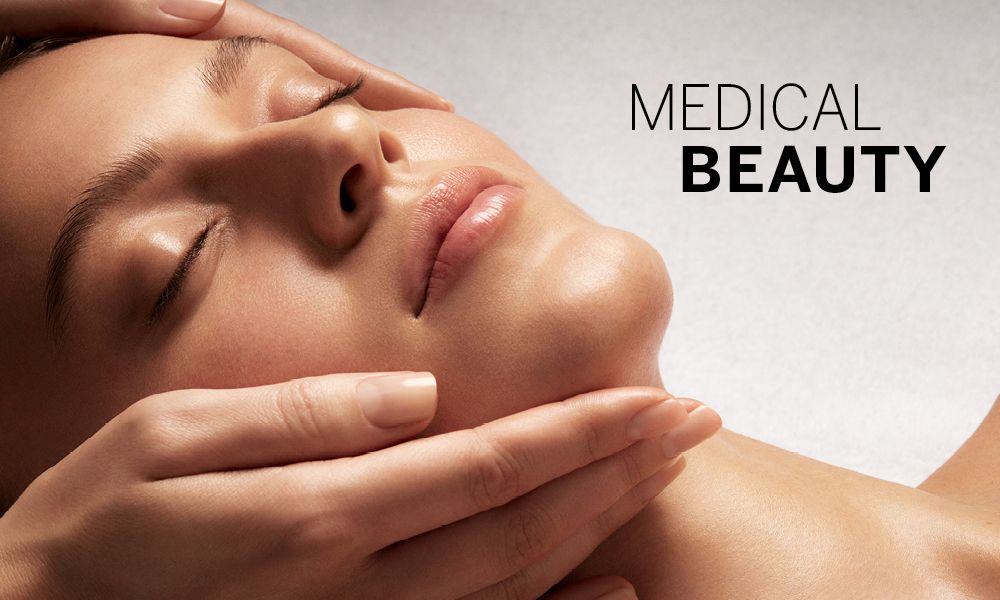
Medical Beauty: The Intersection of Science and AestheticsMedical Beauty: The Intersection of Science and Aesthetics

The world of beauty is evolving rapidly, with an increasing number of individuals turning to medical beauty to enhance their appearance. Gone are the days when cosmetic surgery was the only option for those seeking to reverse the signs of aging or improve their appearance. Now, thanks to advancements in medical technology, a growing number of non-invasive and minimally invasive treatments are available to help individuals look and feel their best. This phenomenon, known as medical beauty, has become a cornerstone of the wellness and beauty industries, offering innovative solutions that are both effective and accessible.

In this article, we’ll explore what medical beauty is, how it has transformed the aesthetic landscape, the most popular treatments, and the key benefits driving its rising popularity.

What Is Medical Beauty?

Medical beauty, or aesthetic medicine, combines the precision and expertise of medical professionals with the art of cosmetic enhancement. It refers to a range of non-surgical treatments designed to improve or enhance a person’s appearance by addressing concerns such as wrinkles, skin texture, volume loss, body shape, and even hair loss. The key difference between medical beauty and traditional beauty treatments (such as facials or makeup) is the use of advanced technology and medical-grade products, often administered by dermatologists, cosmetic surgeons, or other trained specialists.

This type of beauty treatment is typically less invasive than traditional cosmetic surgery, making it an appealing choice for those looking for a more affordable, safer, and less risky way to enhance their appearance. The procedures are often quick, with little to no downtime, and offer natural-looking results that don’t drastically alter a person’s features.

The Popularity of Medical Beauty

Medical beauty treatments have gained immense popularity for several reasons. This surge in interest can be attributed to the growing desire for self-care, technological advancements, and a shift toward more natural-looking results. Here’s why so many individuals are choosing medical beauty treatments over traditional options:

1. Non-Invasive Solutions

Medical beauty procedures are designed to be non-invasive or minimally invasive, meaning that individuals don’t have to undergo the risks, recovery times, and scars associated with traditional cosmetic surgery. For instance, Botox injections or dermal fillers can be performed in under an hour with no downtime, allowing patients to return to their regular activities right away.

2. Natural-Looking Results

One of the primary goals of medical beauty is to provide results that enhance natural features rather than create an artificial or "overdone" appearance. Procedures like Botox, dermal fillers, and laser treatments work to improve skin tone, texture, and facial volume in subtle ways, leading to a more youthful and refreshed look.

3. Personalized Treatment Plans

Every individual is unique, and so are their aesthetic goals. Medical beauty professionals often create tailored treatment plans based on each person's specific needs and concerns. This personalized approach ensures that the results are not only effective but also align with the client’s preferences and facial structure.

4. Long-Lasting Effects

While traditional beauty treatments like facials or makeup offer temporary effects, many medical beauty procedures provide long-lasting results. For example, Botox injections can last 3-6 months, while dermal fillers can offer improvements for up to 18 months. Non-surgical fat reduction treatments can result in permanent fat loss when combined with a healthy lifestyle.

Common Medical Beauty Treatments

There are a variety of procedures within the medical beauty realm, each targeting different aesthetic concerns. Some of the most popular treatments include:

1. Botox and Neurotoxin Injections

Botox is a neuromodulator that temporarily paralyzes the muscles responsible for creating wrinkles. It is most commonly used to smooth out fine lines on the forehead, around the eyes (crow's feet), and between the eyebrows (frown lines). Botox works by blocking signals from the nerves to the muscles, preventing them from contracting and forming wrinkles. Results typically last for 3-6 months.

Other neuromodulators, such as Dysport, Xeomin, and Jeuveau, work similarly to Botox and are used to reduce wrinkles and fine lines in targeted areas.

2. Dermal Fillers

Dermal fillers are injectable treatments that restore volume to the face and smooth out wrinkles. As we age, our skin loses collagen and fat, which can lead to sagging or hollowed areas on the face. Fillers such as hyaluronic acid (Restylane, Juvederm) or calcium hydroxylapatite (Radiesse) can be used to plump the cheeks, fill under-eye hollows, enhance lip volume, and soften nasolabial folds (the lines running from the nose to the corners of the mouth).

The results from dermal fillers are immediate and can last anywhere from six months to two years, depending on the type of filler used.

3. Laser Skin Treatments

Laser treatments have become one of the most versatile tools in the medical beauty arsenal. They can address a variety of skin concerns, including wrinkles, pigmentation issues, acne scars, and sun damage. Popular laser treatments include:

  • Fractional Laser Resurfacing: This treatment creates microscopic channels in the skin to stimulate collagen production and reduce wrinkles, scars, and pigmentation.
  • Laser Hair Removal: An efficient solution for permanent hair reduction, laser hair removal targets hair follicles, preventing future hair growth.
  • Intense Pulsed Light (IPL): This non-laser light treatment is used to target sun spots, acne, and redness, giving skin a clearer, more even tone.

4. Chemical Peels

Chemical peels involve the application of a chemical solution to the skin, which exfoliates the outermost layers of the skin, promoting cell turnover. Depending on the strength of the peel, it can be used to treat a range of skin concerns, from mild acne to severe sun damage or hyperpigmentation. Superficial peels have little downtime, while deeper peels may require more recovery time.

5. Microneedling

Microneedling is a procedure that uses tiny needles to create controlled micro-injuries in the skin. This stimulates collagen and elastin production, leading to smoother, firmer skin. Microneedling can be used to improve the appearance of fine lines, acne scars, stretch marks, and overall skin texture. For enhanced results, it can be combined with platelet-rich plasma (PRP), which uses your own blood to boost collagen and skin regeneration.

6. Non-Surgical Body Contouring

Non-invasive fat reduction treatments such as CoolSculpting and SculpSure have revolutionized body contouring. These treatments use controlled cooling or heat to target and destroy fat cells, which are then naturally eliminated by the body over time. These treatments are perfect for individuals who struggle with stubborn fat pockets in areas such as the abdomen, thighs, or flanks.

Benefits of Medical Beauty

The rise of medical beauty can be attributed to the numerous benefits it offers:

1. Less Risk, More Reward

Medical beauty treatments are significantly less invasive than traditional cosmetic surgery, meaning there’s less risk involved. When performed by a licensed and trained professional, the risks are minimal, and the results are often more natural-looking.

2. Quick Results and Minimal Downtime

Many medical beauty procedures take little time and have minimal downtime. For instance, a Botox treatment can be completed in under 30 minutes, and clients can return to their regular activities right after. Laser treatments and chemical peels might require a few days of recovery, but they still involve far less downtime than surgery.

3. Long-Term Results

Many non-invasive medical beauty treatments offer long-lasting results, which makes them more cost-effective over time. While the effects aren’t permanent, they can last for months to years, depending on the procedure.

4. Improved Confidence

The ultimate goal of thermage flx is to help individuals feel better about themselves. Whether it's smoothing out wrinkles, restoring volume to the face, or sculpting the body, medical beauty offers a path to enhance self-esteem and confidence.

The Future of Medical Beauty

As technology advances, the field of medical beauty will continue to grow. From more precise laser treatments to the development of personalized skincare solutions using AI, the future of medical beauty holds exciting possibilities. There is also an increasing trend towards holistic approaches that incorporate both external treatments and internal wellness, such as nutrition and stress management, to achieve the best aesthetic results.

Conclusion

Medical beauty is changing the way we think about aesthetics, offering innovative solutions that combine science, technology, and artistry to help people feel their best. Whether it’s wrinkle reduction, skin rejuvenation, or body contouring, medical beauty procedures provide a safe, effective, and minimally invasive way to achieve natural-looking, lasting results. As the demand for non-surgical aesthetic treatments continues to rise, medical beauty will remain at the forefront of the beauty and wellness industries, helping people enhance their natural beauty with precision and care.

The Art of Erotic Massage: Unlocking Sensual Connection and IntimacyThe Art of Erotic Massage: Unlocking Sensual Connection and Intimacy

Erotic massage is more than just a physical experience—it's an exploration of intimacy, trust, and connection. It offers an opportunity for individuals and couples to engage in a sensual journey that enhances not only physical pleasure but also emotional and mental closeness. In a world where touch is often rushed and disconnected, erotic massage invites you to slow down, be present, and discover new dimensions of intimacy.

This article dives into the practice of erotic massage, offering insight into its benefits, techniques, and the ways it can deepen bonds and awaken sensuality.

What Is Erotic Massage?

Erotic massage combines the principles of traditional massage with a focus on sensual touch, aiming to awaken the body’s natural sexual energy. While a regular massage typically focuses on relaxation and relieving muscle tension, erotic massage incorporates intentional sensual touches that activate erogenous zones and encourage connection.

Erotic massage is not solely about sexual release or orgasm; it’s a mindful exploration of pleasure. It encourages participants to be fully present in the moment, tuning into the sensations of touch, scent, and sound. It’s a form of bodywork designed to help individuals connect with their own bodies, awaken sexual energy, and enhance their emotional intimacy with their partner.

The Benefits of Erotic Massage

Erotic massage has far-reaching benefits that transcend mere physical pleasure. These benefits touch on emotional well-being, relaxation, communication, and intimacy. Let's explore how erotic massage can be a powerful tool for personal and relational growth.

1. Fosters Emotional Intimacy

Erotic massage encourages a deep emotional connection between partners. The practice requires trust, vulnerability, and communication, which are fundamental components of intimacy. When both partners engage in the massage with respect and an open heart, it strengthens their bond and deepens their emotional connection. The experience of being nurtured and cared for in such a way can bring couples closer, creating a space where they feel safe and loved.

2. Enhances Physical Pleasure

The primary purpose of erotic massage is to awaken the body’s sensuality and increase sexual arousal. Through gentle, deliberate touch, erotic massage can stimulate erogenous zones and increase sensitivity to physical sensations. When practiced with mindfulness, it allows for the slow buildup of sexual energy, encouraging a heightened state of arousal and excitement. This increased sensitivity often leads to more intense physical pleasure and, for many, more satisfying sexual experiences.

3. Reduces Stress and Promotes Relaxation

Just like a regular massage, erotic massage is effective at relieving physical tension and promoting relaxation. It activates the body’s parasympathetic nervous system, which helps to reduce stress and anxiety. The intentional and slow touch releases endorphins and promotes relaxation, soothing the body and mind. The deeper relaxation achieved through an erotic massage not only benefits the physical body but also creates a calmer, more receptive emotional state.

4. Promotes Body Awareness and Confidence

Erotic massage invites individuals to reconnect with their bodies in a mindful and loving way. The act of receiving and giving a massage encourages body awareness, helping both partners become more attuned to their physical sensations. This process can increase body confidence and acceptance, particularly for those who may struggle with body image. Erotic massage is a celebration of the body, helping individuals to embrace and appreciate their own physicality, leading to greater sexual self-esteem.

5. Improves Communication and Consent

Effective erotic massage requires communication before, during, and after the experience. Partners need to discuss boundaries, desires, and areas of comfort to ensure that the massage remains pleasurable for both. This open communication fosters a deeper understanding of each other’s preferences and needs. When practiced with care, happy ending massage hong kong can improve communication skills in relationships, encouraging couples to be more open about their sexual and emotional desires.

Techniques for Erotic Massage

While there is no one-size-fits-all approach to erotic massage, several techniques can enhance the experience. These techniques focus on intentional touch, sensitivity, and awareness, and are designed to maximize pleasure and connection.

1. Long, Slow Strokes

Long, sweeping strokes with the palms of the hands or forearms are a signature technique of erotic massage. These strokes cover large areas of the body, such as the back, legs, and arms, and help to release muscle tension while also providing a relaxing, sensual experience. The key is to move slowly and deliberately, allowing both partners to fully experience the sensation of touch.

2. Gentle Circles and Pressure

Using the fingers or palms, gentle circular motions can help release tension in areas that hold stress, such as the shoulders, lower back, and neck. Applying light pressure or kneading in these areas helps to ease tightness and increase blood flow. When done on erogenous zones, such as the inner thighs or chest, these movements can heighten sensitivity and arousal.

3. Feather-Like Touch

The feather-like touch technique involves lightly grazing the skin with the fingertips, creating a tingling sensation that heightens sensitivity. This technique is often used on the neck, inner thighs, or the back of the knees to awaken the skin and increase sexual anticipation. The light, teasing touch can heighten arousal by creating a slow buildup of pleasure and excitement.

4. Focus on Erogenous Zones

Erogenous zones, such as the neck, inner thighs, chest, and genitals, are especially sensitive to touch and can be particularly arousing when massaged. Erotic massage can focus on these areas to stimulate sexual desire and arousal. Techniques like gentle strokes, circular motions, or soft kneading can be used to explore these zones in a deliberate and mindful way.

5. Breathing Synchronization

Breathing together is an important part of the erotic massage experience. When partners sync their breathing, they align their energy and become more present with each other. Deep, slow breaths can promote relaxation and help both partners focus on the sensations in their bodies. Breathing together also enhances the flow of energy between partners, creating a more intimate, shared experience.

Creating the Perfect Setting for Erotic Massage

The environment in which the erotic massage takes place plays a crucial role in setting the tone for the experience. By creating a soothing, intimate atmosphere, you can enhance the sensuality of the massage and ensure both partners feel comfortable and relaxed.

1. Dim Lighting

Low lighting helps create a warm, inviting atmosphere. Consider using candles or a soft lamp to cast a gentle glow in the room. The dimmed lighting helps to create a relaxed, intimate mood, making the experience feel more sensual and personal.

2. Relaxing Music

Soft, ambient music can enhance the overall experience by promoting relaxation and setting a soothing tone. Choose instrumental music or calming sounds that are unobtrusive and peaceful. Music helps to drown out distractions and encourages both partners to focus solely on each other.

3. Aromatherapy

The right scents can heighten the sensual experience of erotic massage. Consider using essential oils or scented candles with calming fragrances like lavender, rose, sandalwood, or jasmine. These scents can relax the mind, elevate the mood, and create a more intimate and luxurious atmosphere.

4. Comfortable Surface

Choose a comfortable surface for the massage, such as a soft bed, a massage table, or a plush mat. Ensure that the receiver is comfortable and supported throughout the experience. Adding soft blankets or pillows can further enhance the comfort level, allowing both partners to relax fully.

5. Clear Communication

Before beginning the massage, it’s important to communicate with your partner about preferences, boundaries, and comfort levels. This ensures that the experience is enjoyable for both parties and helps to establish a sense of trust and respect. Throughout the massage, check in with each other to ensure mutual enjoyment and comfort.

Conclusion: Erotic Massage as a Path to Deeper Connection

Erotic massage is a powerful tool for enhancing intimacy, relaxation, and connection in relationships. It goes beyond the physical, allowing individuals and couples to explore sensuality, increase body awareness, and foster emotional closeness. The act of giving or receiving a sensual massage encourages presence, communication, and mutual respect, all of which are essential for a fulfilling and deep emotional bond.

Whether it’s used to explore sexual energy, relax after a long day, or simply connect with a partner, erotic massage is an opportunity to slow down, be present, and nurture the bond that exists between two people. By engaging in this mindful and sensual practice, individuals can discover new ways to experience pleasure, strengthen relationships, and deepen their connection to both their own bodies and their partners.

The Ontogenesis Legalization Of Cannabis: Impacts On Health, High Society, And The EconomyThe Ontogenesis Legalization Of Cannabis: Impacts On Health, High Society, And The Economy

Cannabis has been a polemical submit for centuries, often debated in the context of use of its wellness effects, effectual status, and social group implications. In Recent epoch geezerhood, however, marihuana has gained inflated attention due to the ontogenesis movement for its legalization across the globe. What was once seen as a hazardous, illegitimate content has step by step transformed into a extremely regulated industry with potentiality for healthful, unpaid, and economic benefits. The shift populace perception and the gradual transfer toward legitimation upraise several indispensable questions about its long-term affect on individuals and communities.

One of the most notable consequences of marijuana legitimation has been its potency therapeutic benefits. Medical ganja is now wide used to treat a variety show of ailments, including chronic pain, nausea, and the symptoms associated with conditions like quaternate sclerosis, , and malignant neoplastic disease. Research into the healthful properties of ganja is still in its early stages, but early findings propose that cannabinoids mdash;chemical compounds establish in the cannabis set mdash;can provide succour for certain conditions where orthodox medications may fall short-circuit. This has led many to recommend for more widespread legalization, both for medical exam purposes and as a means to reduce dependency on opioid-based pain direction, which has contributed to the current opioid crisis.

Beyond its medical uses, marihuana legalization has also spurred significant changes in the unpaid market. In regions where ganja has been legalized, such as several states in the U.S. and countries like Canada, marihuana using up has become more mainstream. With this transfer has come accrued revenue and regulation, providing governments with new sources of revenue. In fact, the marihuana manufacture has become one of the fastest-growing sectors in the economy, generating billions of dollars in yearly gross sales, creating thousands of jobs, and contributing to topical anaestheti economies. The legalisation of ganja has thus sparked a new era of worldly opportunity, albeit one that continues to be intimately monitored to see to it that world safety and regulations are maintained.

However, the full implications of marihuana legalization are not entirely positive, and there are prodigious challenges to turn to. Some studies suggest that marihuana use can have negative effects on unhealthy wellness, particularly among adolescents and young adults. Heavy use has been associated with inflated risks of anxiety, slump, and psychosis, especially in individuals with a genetic predisposition to mental health disorders. Furthermore, concerns have been raised about the potency for marihuana to become a gateway to other substances, although prove for this take remains integrated. As ganja use becomes more normalized, it is material that breeding and bar programs keep pace, ensuring that individuals are familiar about the risks associated with abuse and that world health campaigns address potential harms in effect.

The impact of ganja legalization also extends to the felon justice system. The decriminalization of cannabis offenses has led to a worsen in marijuana-related arrests, which stilted marginalized communities. Legalization has, in many cases, helped reduce group disparities in arrests and convictions, which is a considerable step toward social justice see the light. However, challenges continue, particularly as the sound marijuana commercialise can still be uncontrollable to navigate, especially for modest-scale or minority-owned businesses.

As the ganja landscape painting continues to develop, it is requisite to strike a poise between promoting its benefits, addressing its risks, and ensuring that the social, worldly, and wellness-related consequences are carefully managed. Whether marihuana will prove to be a transformative squeeze for good or a -edged steel cadaver to be seen, but one matter is : the current debate around dab pen legitimation is reshaping the way societies set about drug insurance and populace health, paving the way for a new chapter in the family relationship between drugs and bon ton.

Discovering the Best Psychotherapists in Mississauga Your Guide to Mental WellnessDiscovering the Best Psychotherapists in Mississauga Your Guide to Mental Wellness

Introduction: Navigating Mental Health Support in Mississauga

In today’s fast-paced world, prioritizing mental health has become more essential than ever. Best psychotherapists in Mississauga For residents of Mississauga seeking effective psychotherapy, finding the right therapist can seem overwhelming. With a vibrant community and a growing number of mental health practitioners, knowing where to start is crucial. The best psychotherapists in Mississauga offer personalized, evidence-based care tailored to individual needs, helping clients overcome challenges and achieve emotional well-being.

Why Choosing the Right Psychotherapist Matters

Therapy is a deeply personal journey. The therapeutic relationship hinges on trust, understanding, and compatibility. Selecting a skilled psychotherapist ensures you receive not just professional guidance but also a safe space to explore your thoughts and feelings. The best psychotherapists in Mississauga are experienced in various modalities, such as cognitive-behavioral therapy (CBT), mindfulness-based approaches, and trauma-informed care, which cater to diverse mental health concerns.

Factors to Consider When Selecting a Therapist

When searching for the best psychotherapists in Mississauga, consider credentials, specialties, and approach. Look for licensed professionals with relevant certifications and a track record of successful outcomes. It’s also important to find someone whose therapeutic style resonates with you—whether they are more directive or collaborative. Convenient location and flexible scheduling can also enhance your therapy experience, making regular sessions more manageable.

Spotlight on Top Psychotherapy Providers in Mississauga

Mississauga boasts a diverse array of mental health clinics and private practitioners dedicated to supporting mental wellness. Many of these professionals are affiliated with organizations like Collaborative Therapist, which connects clients with experienced therapists who prioritize personalized care. These providers often specialize in areas such as anxiety, depression, relationship issues, and trauma recovery, ensuring that clients receive targeted, effective treatment.

Innovative Approaches for Holistic Healing

Leading psychotherapists in Mississauga incorporate innovative and holistic approaches to therapy. For instance, some combine traditional talk therapy with mindfulness, art therapy, or somatic practices to address complex emotional issues. This integrative approach can be particularly beneficial for those who find verbal expression challenging or who seek a more comprehensive healing process.

How to Begin Your Therapeutic Journey

Starting therapy can be intimidating, but taking the first step is often the hardest. Begin by researching local therapists with the right credentials and specialties. Many practitioners offer free initial consultations, providing an opportunity to assess compatibility. Remember, mental health recovery is a process—patience and persistence are key. The best psychotherapists in Mississauga are committed to guiding clients through this journey with compassion and expertise.

Resources and Support Networks

Beyond individual therapy, Mississauga offers various support networks, mental health workshops, and community resources. Engaging with these can supplement your therapy and foster a supportive environment for growth. Online platforms and local organizations can connect you with peer support groups, which are invaluable for shared experiences and encouragement.

Conclusion: Your Path to Emotional Well-being

Choosing the best psychotherapists in Mississauga is a vital step toward achieving mental health and emotional resilience. With an array of qualified professionals dedicated to personalized care, residents can find the support they need to navigate life’s challenges. Remember, seeking help is a sign of strength, and the right therapist can make all the difference in your mental health journey. For a trusted starting point, explore resources like Collaborative Therapist and take that empowering first step today.


Comprendere La Posizione Normativa Della Cannabis A Livello Mondiale Unitamente Alla Spinta Rivolta Alla DepenalizzazioneComprendere La Posizione Normativa Della Cannabis A Livello Mondiale Unitamente Alla Spinta Rivolta Alla Depenalizzazione


Negli ultimi decenni, la cannabis ha suscepto un dibattito acceso in Italia, così come del mondo. Il tema della legalizzazione della cannabis, sia per uso ricreativo che medico, è cresciuto un argomento centrale nelle discussioni politiche e sociali. Sebbene l’uso della cannabis sia storicamente presente nella cultura italiana, la sua legislazione è cambiata nel tempo, adattandosi alle nuove sfide e alle diverse opinioni che si sono susseguite. In questo contesto, è importante esaminare la situazione attuale, le implicazioni sociali e sanitarie, nonché le prospettive successive in relazione a questa sostanza.

La cannabis è una pianta che contiene ingredienti chimici noti come sostanze chimiche, tra cui il più famoso è il tetraidrocannabinolo (THC), responsabile degli effetti psicotropi. Negli ultimi anni, la cannabis ha acquisito un’importanza crescente nella medicina, grazie alle sue proprietà terapeutiche. In Italia, la cannabis terapeutica è stata legalizzata nel 2013, permettendo ai medici di prescrivere la pianta per trattare malattie come il dolore cronico, la sclerosi multipla e il cancro. Tuttavia, nonostante il successo in ambito medico, il percorso verso una legalizzazione più ampia e la depenalizzazione dell’uso ricreativo ha incontrato molte difficoltà.

Molti sostenitori della legalizzazione della cannabis in Italia ritengono che questa mossa potrebbe portare a una serie di benefici. In primo luogo, permetterebbe di regolamentare la produzione, la vendita e il consumo della sostanza, riducendo il mercato nero e migliorando la sicurezza dei consumatori. Inoltre, la legalizzazione potrebbe generare significativi benefici economici, creando posti di lavoro e aumentando le entrate fiscali attraverso la tassazione della cannabis. Un altro argomento a favore della legalizzazione riguarda la libertà individuale, sostenendo che ogni adulto dovrebbe essere libero di fare scelte personali riguardo al consumo di sostanze come la torta alla marjuana , purché non danneggi gli altri.

D’altro canto, i detrattori della legalizzazione avvertono che potrebbe esserci un aumento dei rischi sanitari, in particolare per le giovani generazioni. Alcuni studi suggeriscono che il consumo di cannabis, soprattutto tra i giovani, potrebbe avere effetti negativi sullo sviluppo cerebrale, portando a problemi cognitivi e psicologici. Inoltre, esiste il timore che la legalizzazione potrebbe aumentare l’accessibilità e la normalizzazione dell’uso di droghe, contribuendo ad un uso più diffuso e ad un potenziale aumento delle patologie correlate alla dipendenza.

Oltre alla questione della legalizzazione, l’Italia ha anche affrontato la questione della criminalizzazione del possesso e dell’uso di cannabis. Le leggi italiane, in particolare la legge 309 del 1990, hanno fissato pene severe per la coltivazione e il possesso di cannabis, nonostante nel 2016 una riforma abbia depenalizzato il possesso di piccole quantità per uso personale. Tuttavia, il mercato illegale rimane una preoccupazione costante per le autorità italiane, in quanto la vendita non regolamentata della cannabis porta con sé rischi legati alla sicurezza e alla salute dei consumatori.

Nel contesto europeo, l’Italia è uno dei paesi che ha mostrato un atteggiamento prudente nei confronti della legalizzazione della cannabis, pur mantenendo una legislazione che ha permesso sviluppi significativi in ambito medico. Nonostante le divergenze politiche e le resistenze sociali, la discussione sulla cannabis continua a essere centrale nella società italiana. Nel prossimo futuro, è probabile che il dibattito sulla legalizzazione della cannabis in Italia continui, con l’eventuale possibilità di un cambiamento legislativo che potrebbe trasformare radicalmente il panorama del consumo e della produzione di cannabis nel paese.