
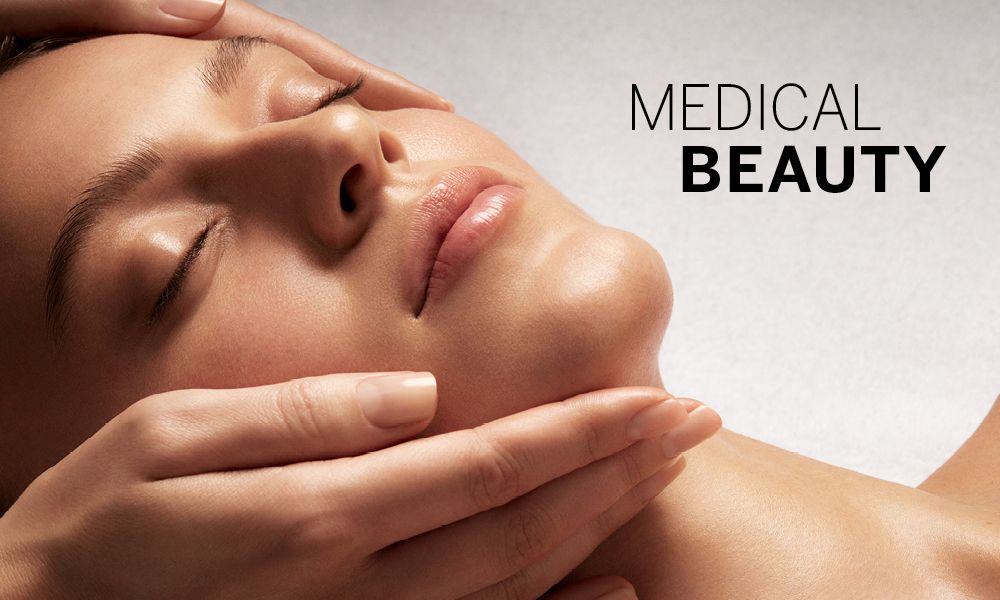
Islasan Marcos Health & Fitness Medical Beauty: The Intersection of Science and Aesthetics

Medical Beauty: The Intersection of Science and Aesthetics

The world of beauty is evolving rapidly, with an increasing number of individuals turning to medical beauty to enhance their appearance. Gone are the days when cosmetic surgery was the only option for those seeking to reverse the signs of aging or improve their appearance. Now, thanks to advancements in medical technology, a growing number of non-invasive and minimally invasive treatments are available to help individuals look and feel their best. This phenomenon, known as medical beauty, has become a cornerstone of the wellness and beauty industries, offering innovative solutions that are both effective and accessible.

In this article, we’ll explore what medical beauty is, how it has transformed the aesthetic landscape, the most popular treatments, and the key benefits driving its rising popularity.

What Is Medical Beauty?

Medical beauty, or aesthetic medicine, combines the precision and expertise of medical professionals with the art of cosmetic enhancement. It refers to a range of non-surgical treatments designed to improve or enhance a person’s appearance by addressing concerns such as wrinkles, skin texture, volume loss, body shape, and even hair loss. The key difference between medical beauty and traditional beauty treatments (such as facials or makeup) is the use of advanced technology and medical-grade products, often administered by dermatologists, cosmetic surgeons, or other trained specialists.

This type of beauty treatment is typically less invasive than traditional cosmetic surgery, making it an appealing choice for those looking for a more affordable, safer, and less risky way to enhance their appearance. The procedures are often quick, with little to no downtime, and offer natural-looking results that don’t drastically alter a person’s features.

The Popularity of Medical Beauty

Medical beauty treatments have gained immense popularity for several reasons. This surge in interest can be attributed to the growing desire for self-care, technological advancements, and a shift toward more natural-looking results. Here’s why so many individuals are choosing medical beauty treatments over traditional options:

1. Non-Invasive Solutions

Medical beauty procedures are designed to be non-invasive or minimally invasive, meaning that individuals don’t have to undergo the risks, recovery times, and scars associated with traditional cosmetic surgery. For instance, Botox injections or dermal fillers can be performed in under an hour with no downtime, allowing patients to return to their regular activities right away.

2. Natural-Looking Results

One of the primary goals of medical beauty is to provide results that enhance natural features rather than create an artificial or "overdone" appearance. Procedures like Botox, dermal fillers, and laser treatments work to improve skin tone, texture, and facial volume in subtle ways, leading to a more youthful and refreshed look.

3. Personalized Treatment Plans

Every individual is unique, and so are their aesthetic goals. Medical beauty professionals often create tailored treatment plans based on each person's specific needs and concerns. This personalized approach ensures that the results are not only effective but also align with the client’s preferences and facial structure.

4. Long-Lasting Effects

While traditional beauty treatments like facials or makeup offer temporary effects, many medical beauty procedures provide long-lasting results. For example, Botox injections can last 3-6 months, while dermal fillers can offer improvements for up to 18 months. Non-surgical fat reduction treatments can result in permanent fat loss when combined with a healthy lifestyle.

Common Medical Beauty Treatments

There are a variety of procedures within the medical beauty realm, each targeting different aesthetic concerns. Some of the most popular treatments include:

1. Botox and Neurotoxin Injections

Botox is a neuromodulator that temporarily paralyzes the muscles responsible for creating wrinkles. It is most commonly used to smooth out fine lines on the forehead, around the eyes (crow's feet), and between the eyebrows (frown lines). Botox works by blocking signals from the nerves to the muscles, preventing them from contracting and forming wrinkles. Results typically last for 3-6 months.

Other neuromodulators, such as Dysport, Xeomin, and Jeuveau, work similarly to Botox and are used to reduce wrinkles and fine lines in targeted areas.

2. Dermal Fillers

Dermal fillers are injectable treatments that restore volume to the face and smooth out wrinkles. As we age, our skin loses collagen and fat, which can lead to sagging or hollowed areas on the face. Fillers such as hyaluronic acid (Restylane, Juvederm) or calcium hydroxylapatite (Radiesse) can be used to plump the cheeks, fill under-eye hollows, enhance lip volume, and soften nasolabial folds (the lines running from the nose to the corners of the mouth).

The results from dermal fillers are immediate and can last anywhere from six months to two years, depending on the type of filler used.

3. Laser Skin Treatments

Laser treatments have become one of the most versatile tools in the medical beauty arsenal. They can address a variety of skin concerns, including wrinkles, pigmentation issues, acne scars, and sun damage. Popular laser treatments include:

  • Fractional Laser Resurfacing: This treatment creates microscopic channels in the skin to stimulate collagen production and reduce wrinkles, scars, and pigmentation.
  • Laser Hair Removal: An efficient solution for permanent hair reduction, laser hair removal targets hair follicles, preventing future hair growth.
  • Intense Pulsed Light (IPL): This non-laser light treatment is used to target sun spots, acne, and redness, giving skin a clearer, more even tone.

4. Chemical Peels

Chemical peels involve the application of a chemical solution to the skin, which exfoliates the outermost layers of the skin, promoting cell turnover. Depending on the strength of the peel, it can be used to treat a range of skin concerns, from mild acne to severe sun damage or hyperpigmentation. Superficial peels have little downtime, while deeper peels may require more recovery time.

5. Microneedling

Microneedling is a procedure that uses tiny needles to create controlled micro-injuries in the skin. This stimulates collagen and elastin production, leading to smoother, firmer skin. Microneedling can be used to improve the appearance of fine lines, acne scars, stretch marks, and overall skin texture. For enhanced results, it can be combined with platelet-rich plasma (PRP), which uses your own blood to boost collagen and skin regeneration.

6. Non-Surgical Body Contouring

Non-invasive fat reduction treatments such as CoolSculpting and SculpSure have revolutionized body contouring. These treatments use controlled cooling or heat to target and destroy fat cells, which are then naturally eliminated by the body over time. These treatments are perfect for individuals who struggle with stubborn fat pockets in areas such as the abdomen, thighs, or flanks.

Benefits of Medical Beauty

The rise of medical beauty can be attributed to the numerous benefits it offers:

1. Less Risk, More Reward

Medical beauty treatments are significantly less invasive than traditional cosmetic surgery, meaning there’s less risk involved. When performed by a licensed and trained professional, the risks are minimal, and the results are often more natural-looking.

2. Quick Results and Minimal Downtime

Many medical beauty procedures take little time and have minimal downtime. For instance, a Botox treatment can be completed in under 30 minutes, and clients can return to their regular activities right after. Laser treatments and chemical peels might require a few days of recovery, but they still involve far less downtime than surgery.

3. Long-Term Results

Many non-invasive medical beauty treatments offer long-lasting results, which makes them more cost-effective over time. While the effects aren’t permanent, they can last for months to years, depending on the procedure.

4. Improved Confidence

The ultimate goal of thermage flx is to help individuals feel better about themselves. Whether it's smoothing out wrinkles, restoring volume to the face, or sculpting the body, medical beauty offers a path to enhance self-esteem and confidence.

The Future of Medical Beauty

As technology advances, the field of medical beauty will continue to grow. From more precise laser treatments to the development of personalized skincare solutions using AI, the future of medical beauty holds exciting possibilities. There is also an increasing trend towards holistic approaches that incorporate both external treatments and internal wellness, such as nutrition and stress management, to achieve the best aesthetic results.

Conclusion

Medical beauty is changing the way we think about aesthetics, offering innovative solutions that combine science, technology, and artistry to help people feel their best. Whether it’s wrinkle reduction, skin rejuvenation, or body contouring, medical beauty procedures provide a safe, effective, and minimally invasive way to achieve natural-looking, lasting results. As the demand for non-surgical aesthetic treatments continues to rise, medical beauty will remain at the forefront of the beauty and wellness industries, helping people enhance their natural beauty with precision and care.

Leave a Reply

Your email address will not be published. Required fields are marked *

Related Post

Dispensary Cannabis for Seniors Safe Use and RecommendationsDispensary Cannabis for Seniors Safe Use and Recommendations

As cannabis becomes more widely accepted and legally available, a surprising group has emerged as one of its fastest-growing users: seniors. For older adults, dispensary cannabis offers a range of potential benefits, from pain management to improved sleep and reduced anxiety. However, like any wellness product, it’s important to approach cannabis use safely and responsibly, especially for seniors who may have existing health conditions or medications. Here’s a guide to understanding the safe use of dispensary cannabis and practical recommendations for older adults.

Why Seniors Are Turning to Cannabis

Many seniors are seeking alternatives to traditional medications. Chronic pain, arthritis, sleep difficulties, and anxiety are common issues in later life, and prescription medications can come with side effects, drug interactions, or dependency risks. Cannabis presents a natural alternative that may help alleviate these concerns.

Seniors are particularly drawn to CBD-dominant products, which offer therapeutic benefits without the strong psychoactive effects associated with THC. For some, even small amounts of THC can help with pain relief, appetite stimulation, and mood enhancement, making cannabis a versatile tool for improving quality of life.

Understanding the Different Forms of Dispensary Cannabis

Dispensaries offer a wide variety of cannabis products, each suited to different needs:

  • Oils and Tinctures: Easy to dose and gentle on the digestive system. Ideal for those new to cannabis.

  • Topicals: Creams or balms applied to the skin for localized pain relief, with minimal systemic effects.

  • Edibles: Delicious and discreet, but effects take longer to onset, so careful dosing is essential.

  • Vaporized Cannabis: Quick-acting but may irritate the lungs; less common for older adults with respiratory issues.

Understanding these forms helps seniors select the best option for their health goals and comfort level.

Start Low and Go Slow

The golden rule for senior cannabis use is: start low, go slow. Older adults are often more sensitive to THC, so beginning with a low dose is crucial. A small amount of CBD or THC can be enough to see benefits without unwanted side effects like dizziness, drowsiness, or confusion. Gradually increasing the dose allows the body to adapt and helps seniors identify the optimal balance for symptom relief.

Be Mindful of Interactions

Seniors are often on multiple medications, which makes it essential to consider potential drug interactions. Cannabis can affect the metabolism of certain medications, particularly blood thinners, anti-anxiety drugs, and medications for heart conditions. Before starting cannabis, seniors should:

  • Consult their primary care physician

  • Discuss all current prescriptions and supplements

  • Monitor for unusual side effects

A collaborative approach ensures safe integration of cannabis into a wellness routine.

Choose Lab-Tested Products

Safety is paramount. Seniors should always choose lab-tested cannabis products from licensed dispensaries. Lab testing ensures that products contain the advertised levels of THC and CBD, and are free from harmful contaminants like pesticides or heavy metals. Many dispensaries provide Certificates of Analysis (COAs) to verify product quality.

Consider Daily Routines and Lifestyle

Integrating Dispensary Battle Creek into daily life should be practical and safe. Seniors may prefer oils or tinctures in the morning or evening, topicals for joint pain after physical activity, or edibles for discreet use at social gatherings. Choosing a routine that fits lifestyle and comfort ensures consistent benefits without disruption.

Seek Guidance from Dispensary Professionals

Licensed dispensaries employ knowledgeable staff who can guide seniors on strain selection, dosage, and consumption methods. Budtenders can suggest CBD-rich products for anxiety, THC options for pain relief, or hybrid combinations for general wellness. Seniors should never hesitate to ask questions — informed guidance can make a world of difference in safety and effectiveness.

Final Thoughts

Dispensary cannabis offers seniors a promising avenue for improved wellness, but it requires careful consideration, especially when managing existing health conditions and medications. By starting low, choosing lab-tested products, consulting healthcare professionals, and leveraging the guidance of dispensary staff, older adults can safely explore cannabis as a tool for pain relief, anxiety reduction, better sleep, and overall quality of life.

Cannabis is not a miracle cure, but when approached thoughtfully, it can enhance comfort, independence, and well-being — helping seniors enjoy their golden years with greater ease, vitality, and confidence.

EPO vs PPO Health Insurance Differences A Comprehensive Guide for 2024EPO vs PPO Health Insurance Differences A Comprehensive Guide for 2024

Understanding EPO and PPO Health Insurance Plans

Healthcare professionals discussing insurance options with patients, illustrating EPO and PPO health insurance plans.

Choosing the right health insurance plan is crucial for managing healthcare costs and ensuring access to necessary medical services. EPO vs PPO health insurance differences Among various options, Exclusive Provider Organization (EPO) and Preferred Provider Organization (PPO) plans are two popular choices, each offering distinct features tailored to different healthcare needs. This guide delves into the key differences between EPO vs PPO health insurance, helping you make an informed decision in 2024.

What Is an EPO Health Insurance Plan?

Definition and Core Features

An EPO plan is a type of managed care health insurance that requires members to use a network of healthcare providers for coverage. Unlike HMO plans, EPOs typically do not require referrals to see specialists, offering a degree of flexibility within the network. However, they do not cover any out-of-network services, making it essential for members to stay within the designated provider network.

Advantages of EPO Plans

  • Lower Premiums: EPOs often have lower monthly premiums compared to PPOs, making them an attractive option for budget-conscious individuals.
  • No Referral Requirement: Members can see specialists directly without needing a primary care physician’s referral, streamlining access to specialized care.
  • Predictable Costs: Since out-of-network care is typically not covered, members have predictable expenses when sticking to network providers.

Limitations of EPO Plans

  • No Coverage Outside Network: If you seek care outside the network, you will be responsible for the full cost, which can be significant in emergencies or specialized treatments.
  • Limited Provider Choices: Your access to healthcare providers is restricted to the network, which might be limited depending on your location.

What Is a PPO Health Insurance Plan?

Definition and Core Features

A PPO plan offers more flexibility by allowing members to visit any healthcare provider, whether in-network or out-of-network. While in-network services are covered at lower costs, PPO members can see out-of-network providers for additional coverage, often paying higher out-of-pocket expenses.

Advantages of PPO Plans

  • High Flexibility: Members are free to choose any healthcare provider without a referral, including out-of-network specialists.
  • Broader Provider Network: PPO networks tend to be larger, providing access to a wider range of healthcare professionals and facilities.
  • Out-of-Network Coverage: Coverage extends to out-of-network care, offering peace of mind in emergencies or when specialized services are needed.

Limitations of PPO Plans

  • Higher Premiums: The flexibility and broader network generally come with higher monthly premiums compared to EPO plans.
  • Costlier Out-of-Pocket Expenses: Out-of-network care can be expensive due to higher deductibles, copayments, and coinsurance.

Key Differences Between EPO and PPO Plans

While both EPO and PPO plans serve the purpose of providing managed healthcare, several critical differences can influence your choice:

  • Network Restrictions: EPO plans require members to stay within their provider network, whereas PPO plans allow broader provider choices, including out-of-network providers.
  • Coverage for Out-of-Network Care: PPOs offer coverage for out-of-network services, often at a higher cost, unlike EPOs which do not cover out-of-network care at all.
  • Referrals: EPO plans typically do not require referrals to see specialists, similar to PPOs, but some EPOs might have restrictions on certain specialist visits.
  • Cost Structure: EPOs generally have lower premiums but higher out-of-pocket costs when using in-network providers. Conversely, PPOs tend to have higher premiums but offer more flexibility and coverage options.

Which Plan Is Right for You?

Choosing between an EPO vs PPO health insurance plan depends on your healthcare needs, budget, and preferences:

Consider an EPO if:

  • You prefer lower monthly premiums.
  • You are comfortable using a limited network of providers.
  • You rarely need out-of-network care and value straightforward, predictable costs.

Opt for a PPO if:

  • You want maximum flexibility in choosing healthcare providers.
  • You anticipate needing out-of-network services or specialist care.
  • You are willing to pay higher premiums for broader coverage options.

Conclusion

The decision between EPO vs PPO health insurance plans hinges on your individual healthcare needs, financial situation, and preferences for provider flexibility. EPOs offer a cost-effective solution for those who are comfortable within a network and seek lower premiums, while PPOs provide unmatched flexibility and access to a wider range of providers, albeit at a higher cost. By understanding these differences, you can select a plan that best aligns with your health and financial goals in 2024.


L’Importanza della Cura Dentale nella Vita Quotidiana e il Suo Ruolo Essenziale nel Mantenimento della Salute Generale e del Benessere a Lungo TermineL’Importanza della Cura Dentale nella Vita Quotidiana e il Suo Ruolo Essenziale nel Mantenimento della Salute Generale e del Benessere a Lungo Termine


La cura dentale rappresenta uno degli aspetti fondamentali della salute personale, spesso sottovalutato fino a quando non compaiono problemi come carie, gengiviti o dolore ai denti. Avere una buona igiene orale non significa soltanto mantenere un sorriso esteticamente piacevole, ma anche preservare la funzionalità della bocca, che è essenziale per attività quotidiane come mangiare, parlare e socializzare con sicurezza. Una corretta routine di igiene orale, se seguita con costanza, può prevenire la maggior parte delle patologie dentali e contribuire in modo significativo al benessere generale dell’organismo.

Uno degli elementi principali della cura dentale è la pulizia quotidiana dei denti. Spazzolare i clinica dentale in Albania almeno due volte al giorno con un dentifricio contenente fluoro aiuta a rimuovere la placca batterica, una sostanza appiccicosa che si forma continuamente sulla superficie dentale. Se non rimossa, la placca può indurirsi e trasformarsi in tartaro, aumentando il rischio di carie e malattie gengivali. Anche l’uso del filo interdentale è fondamentale, poiché consente di pulire gli spazi tra i denti dove lo spazzolino non riesce ad arrivare. Queste semplici abitudini quotidiane sono la base per una bocca sana e resistente nel tempo.

L’alimentazione gioca un ruolo altrettanto importante nella salute orale. Il consumo eccessivo di zuccheri e bevande zuccherate favorisce la proliferazione dei batteri responsabili della formazione delle carie. Al contrario, una dieta equilibrata ricca di frutta, verdura, latticini e acqua contribuisce a rafforzare denti e gengive. Nutrienti come calcio, fosforo e vitamina D sono particolarmente utili per mantenere lo smalto dentale forte e resistente. Bere acqua regolarmente aiuta inoltre a mantenere la bocca idratata e a eliminare i residui di cibo.

Le visite regolari dal dentista sono un altro pilastro fondamentale della cura dentale. Controlli periodici permettono di individuare tempestivamente eventuali problemi e intervenire prima che diventino più gravi e costosi da trattare. La pulizia professionale eseguita dal dentista o dall’igienista dentale rimuove il tartaro accumulato e contribuisce a mantenere gengive sane. Inoltre, il dentista può fornire consigli personalizzati per migliorare la routine di igiene orale e prevenire disturbi futuri.

La salute orale è strettamente collegata alla salute generale del corpo. Numerosi studi hanno dimostrato che infezioni e infiammazioni della bocca possono essere associate a malattie cardiovascolari, diabete e altre condizioni sistemiche. Questo significa che trascurare la cura dei denti non influisce solo sul cavo orale, ma può avere conseguenze sull’intero organismo. Per questo motivo, mantenere una buona igiene orale è una forma importante di prevenzione sanitaria globale.

In conclusione, la cura dentale è un elemento essenziale per vivere in salute e con maggiore sicurezza. Adottare buone abitudini quotidiane, seguire una dieta equilibrata e sottoporsi a controlli regolari dal dentista sono pratiche semplici ma estremamente efficaci. Investire nella salute dei propri denti significa investire nella qualità della propria vita, garantendo un sorriso sano e una migliore condizione di benessere generale nel lungo periodo.

Comprendere La Posizione Normativa Della Cannabis A Livello Mondiale Unitamente Alla Spinta Rivolta Alla DepenalizzazioneComprendere La Posizione Normativa Della Cannabis A Livello Mondiale Unitamente Alla Spinta Rivolta Alla Depenalizzazione


Negli ultimi decenni, la cannabis ha suscepto un dibattito acceso in Italia, così come del mondo. Il tema della legalizzazione della cannabis, sia per uso ricreativo che medico, è cresciuto un argomento centrale nelle discussioni politiche e sociali. Sebbene l’uso della cannabis sia storicamente presente nella cultura italiana, la sua legislazione è cambiata nel tempo, adattandosi alle nuove sfide e alle diverse opinioni che si sono susseguite. In questo contesto, è importante esaminare la situazione attuale, le implicazioni sociali e sanitarie, nonché le prospettive successive in relazione a questa sostanza.

La cannabis è una pianta che contiene ingredienti chimici noti come sostanze chimiche, tra cui il più famoso è il tetraidrocannabinolo (THC), responsabile degli effetti psicotropi. Negli ultimi anni, la cannabis ha acquisito un’importanza crescente nella medicina, grazie alle sue proprietà terapeutiche. In Italia, la cannabis terapeutica è stata legalizzata nel 2013, permettendo ai medici di prescrivere la pianta per trattare malattie come il dolore cronico, la sclerosi multipla e il cancro. Tuttavia, nonostante il successo in ambito medico, il percorso verso una legalizzazione più ampia e la depenalizzazione dell’uso ricreativo ha incontrato molte difficoltà.

Molti sostenitori della legalizzazione della cannabis in Italia ritengono che questa mossa potrebbe portare a una serie di benefici. In primo luogo, permetterebbe di regolamentare la produzione, la vendita e il consumo della sostanza, riducendo il mercato nero e migliorando la sicurezza dei consumatori. Inoltre, la legalizzazione potrebbe generare significativi benefici economici, creando posti di lavoro e aumentando le entrate fiscali attraverso la tassazione della cannabis. Un altro argomento a favore della legalizzazione riguarda la libertà individuale, sostenendo che ogni adulto dovrebbe essere libero di fare scelte personali riguardo al consumo di sostanze come la torta alla marjuana , purché non danneggi gli altri.

D’altro canto, i detrattori della legalizzazione avvertono che potrebbe esserci un aumento dei rischi sanitari, in particolare per le giovani generazioni. Alcuni studi suggeriscono che il consumo di cannabis, soprattutto tra i giovani, potrebbe avere effetti negativi sullo sviluppo cerebrale, portando a problemi cognitivi e psicologici. Inoltre, esiste il timore che la legalizzazione potrebbe aumentare l’accessibilità e la normalizzazione dell’uso di droghe, contribuendo ad un uso più diffuso e ad un potenziale aumento delle patologie correlate alla dipendenza.

Oltre alla questione della legalizzazione, l’Italia ha anche affrontato la questione della criminalizzazione del possesso e dell’uso di cannabis. Le leggi italiane, in particolare la legge 309 del 1990, hanno fissato pene severe per la coltivazione e il possesso di cannabis, nonostante nel 2016 una riforma abbia depenalizzato il possesso di piccole quantità per uso personale. Tuttavia, il mercato illegale rimane una preoccupazione costante per le autorità italiane, in quanto la vendita non regolamentata della cannabis porta con sé rischi legati alla sicurezza e alla salute dei consumatori.

Nel contesto europeo, l’Italia è uno dei paesi che ha mostrato un atteggiamento prudente nei confronti della legalizzazione della cannabis, pur mantenendo una legislazione che ha permesso sviluppi significativi in ambito medico. Nonostante le divergenze politiche e le resistenze sociali, la discussione sulla cannabis continua a essere centrale nella società italiana. Nel prossimo futuro, è probabile che il dibattito sulla legalizzazione della cannabis in Italia continui, con l’eventuale possibilità di un cambiamento legislativo che potrebbe trasformare radicalmente il panorama del consumo e della produzione di cannabis nel paese.

The Between Adhd And Restless Leg SyndromeThe Between Adhd And Restless Leg Syndrome


Understanding ADHD and Its Impact

Attention-Deficit Hyperactivity Disorder(ADHD) is oft detected as a condition in the first place affecting children, characterized by hyperactivity, impulsivity, and difficulty concentrating. However, the world is that ADHD often persists into adulthood, presenting significant challenges in various aspects of life. Beyond the usually recognized symptoms, ADHD can attest in less axiomatic ways, such as difficulties with feeling rule, organisation, and even sleep. Understanding the broader spectrum of ADHD symptoms is material for correct diagnosing and effective direction. Many adults with ADHD fight to exert sharpen, finagle time in effect, and see feeling fluctuations that touch their routines and relationships. This can lead to feelings of frustration, inadequacy, and magnified stress levels.

The impact of ADHD extends beyond faculty member or professional settings. It can significantly involve personal relationships, self-esteem, and overall well-being. Individuals with ADHD may find it stimulating to watch through on commitments, leading to conflicts with favored ones. The constant fight to wangle symptoms can also put up to feelings of anxiety and depression. Moreover, the challenges associated with ADHD can lead to inflated susceptibility to other unhealthy health conditions. Recognizing the diverse ways ADHD can manifest and regard individuals is requirement for providing appropriate support and interventions, sanctioning those strained to lead fulfilling and successful lives. Untreated, ADHD can importantly decrease timbre of life.

What is Restless Leg Syndrome(RLS)?

Restless Leg Syndrome(RLS), also known as Willis-Ekbom Disease, is a medical specialty trouble characterised by an overpowering urge to move the legs, typically accompanied by uncomfortable sensations. These sensations are often described as tingle, creep, pulling, or aching, and they tend to come about primarily in the or at Night. The symptoms are typically eased by social movement, such as walking, stretch, or quivering the legs. RLS can significantly disrupt sleep late, leadership to daylight jade, injured , and reduced overall timbre of life. While the exact cause of RLS is unknown, it is believed to necessitate imbalances in the neurotransmitter Intropin, which plays a material role in dominant movement.

The rigor of RLS symptoms can vary wide, ranging from mild uncomfortableness to saturated pain that significantly interferes with daily activities. Some individuals undergo symptoms only now and again, while others are forced nightly. RLS can be primary feather, meaning it has no known cause, or secondary, resulting from underlying conditions such as iron want, kidney disease, or maternity. Diagnosis typically involves a nonsubjective rating supported on the affected role’s symptoms and medical examination chronicle. Treatment options range from life style modifications, such as regular exercise and avoiding caffeine, to medications that help regularize Intropin levels or reduce steel irritability. Properly managing RLS is requisite for rising sleep tone and overall well-being.

The ADHD RLS Link: Exploring the Connection

Several studies have recommended a potentiality link between ADHD and RLS, indicating that individuals with ADHD may be more likely to go through RLS symptoms. While the exact nature of this is still being investigated, researchers advise that divided medical specialty pathways or underlying neurotransmitter imbalances may put up to the co-occurrence of these two conditions. For example, both ADHD and RLS have been coupled to disruptions in Intropin signaling in the mind. Dopamine plays a life-sustaining role in regulating front, tending, and reward pathways, qualification it a potential park denominator. Furthermore, iron deficiency, which has been implicated in both ADHD and RLS, could also put up to the determined connexion.

Understanding the potentiality relationship between ADHD and RLS is material for clinicians in enjoin to ply comp and effective care. When evaluating patients with ADHD, it’s prodigious to wonder about RLS symptoms and vice versa. Recognizing the co-occurrence of these conditions can inform handling strategies and ameliorate affected role outcomes. For exemplify, addressing iron want or using medications that target Intropin pathways may be beneficial for individuals experiencing both ADHD and RLS. Further search is requisite to to the full sort out the subjacent mechanisms that these conditions, but acknowledging the potentiality association can lead to better diagnosis and direction.

ADHD Sleep Issues: A Common Comorbidity

Sleep disturbances are a commons issue for individuals with ADHD. These sleep late problems can attest in various forms, including difficulty falling asleep(insomnia), frequent awakenings during the Night, and an overall reduced catch some Z’s duration. These difficulties can stem from a variety show of factors associated with ADHD, such as hyperactivity, racing thoughts, and difficulties with feeling rule. The constant unhealthy natural process and queasiness can make it hard to wind down and unlax before bedtime. Additionally, the use of stimulus medications to manage ADHD symptoms can sometimes interfere with sleep out, particularly if taken too late in the day. The bear upon of poor log Z’s on individuals with ADHD is significant, as it can exasperate ADHD symptoms and further vitiate cognitive function, mood, and overall quality of life.

Addressing slumber issues is an necessary portion of ADHD direction. Strategies to improve catch some Z’s hygienics, such as establishing a homogeneous sleep schedule, creating a relaxing bedtime subroutine, and avoiding caffeine and electronics before bed, can be good. Cognitive behavioral therapy for insomnia(CBT-I) is another operational approach that helps individuals identify and change veto thoughts and behaviors that contribute to catch some Z’s problems. In some cases, medications such as melatonin or non-habit-forming log Z’s aids may be positive to ameliorate sleep out tone. By addressing slumber issues proactively, individuals with ADHD can see improvements in their ADHD symptoms, cognitive performance, and overall well-being. For comprehensive subscribe and treatment for your mental health, consider stretch out to Vantage Mental Health for an ADHD judgement.

ADHD Insomnia Causes: Unraveling the Factors

Insomnia in individuals with ADHD can be attributed to a concourse of factors, many of which are directly overlapping to the core symptoms of the distract. The active and spontaneous nature of ADHD can make it challenging to subside down and train for sleep late. Racing thoughts and an inability to quiet the mind can lead to substantial delays in descending asleep. Emotional dysregulation, another common symptom of ADHD, can also contribute to insomnia. Difficulties managing emotions and heightened sensitivity to strain can make it harder to relax and unroll before bed. Additionally, co-occurring conditions such as anxiety and economic crisis, which are oft seen in individuals with ADHD, can further aggravate sleep in problems.

Furthermore, life-style factors and medicament use can also play a substantial role in ADHD-related insomnia. Irregular kip schedules, often stemming from difficulties with time direction and organization, can disrupt the body’s natural sleep-wake . The expenditure of caffeine or other stimulants, especially in the , can interpose with sleep in oncoming and upkee. As mentioned earlier, stimulus medications used to treat ADHD can sometimes have insomnia as a side set up, particularly if the dose or timing is not the right way well-balanced. Understanding the specific factors tributary to insomnia in individuals with ADHD is material for development trim interventions that address the subjacent causes and raise healthy sleep habits.

ADHD Movement Disorders: More Than Just Hyperactivity

While hyperactivity is a stylemark symptom of ADHD, it’s prodigious to recognize that ADHD can also be associated with other front disorders beyond simpleton queasiness. These can admit tics, which are fast, repetitive movements or vocalizations, and other unwilling movements. Some individuals with ADHD may demo perceptive drive coordination difficulties or hyperbolic fidgeting that goes beyond typical hyperactivity. The underlying mechanisms linking ADHD and social movement disorders are not full implicit, but they may require disruptions in Intropin signal and other neurotransmitter systems in the nous. It’s also Worth noting that certain medications used to treat ADHD can sometimes induce or exacerbate social movement disorders in impressible individuals.

Clinicians should be witting of the potential for co-occurring movement disorders in individuals with ADHD, as these conditions can significantly touch on daily performance and timber of life. A comprehensive examination valuation should include an judgement of motor skills, the front of tics or nonvoluntary movements, and a detailed story of medicine use. Treatment approaches may demand a combination of behavioural therapies, medicine adjustments, and in some cases, specific medications to manage movement disorders. Addressing these often-overlooked aspects of ADHD can lead to more operational and holistic care, improving overall well-being.

ADHD Sleep Quality: The Impact on Daily Life

Poor sleep timber can have a deep touch on on the lives of individuals with ADHD. Sleep is necessary for psychological feature operate, emotional rule, and overall physical health. When sleep out is discontinuous or light, it can worsen ADHD symptoms, qualification it even more uncheckable to reduce, finagle impulsivity, and regularise emotions. Daytime fag out and somnolence can lead to belittled productiveness at work or civilis, raised peevishness, and visually impaired mixer interactions. Additionally, chronic log Z’s privation can step-up the risk of developing other unhealthy health conditions, such as anxiety and economic crisis, as well as physical wellness problems like vas and .

Improving sleep out timber is, therefore, a critical portion of ADHD direction. A multifarious approach that includes modus vivendi modifications, activity therapies, and medicine direction may be necessary to address the underlying causes of kip problems. Strategies such as maintaining a consistent sleep in schedule, creating a restful bedtime function, avoiding caffein and alcoholic beverage before bed, and practicing rest techniques can significantly improve slumber timber. For those experiencing persistent sleep out problems, seeking professional person help from a log Z’s specialiser or unhealthy wellness professional person is advisable. Prioritizing log Z’s and implementing operational catch some Z’s management strategies can lead to substantive improvements in ADHD symptoms, cognitive work, and overall tone of life. Reach out to Vantage Mental Health for personalized care and support.

Strategies for Managing ADHD and RLS Together

Managing ADHD and RLS concurrently requires a comprehensive examination and individualised go about. It is crucial to work closely with healthcare professionals, including physicians, psychiatrists, and kip specialists, to educate a treatment plan that addresses the particular needs of each somebody. Lifestyle modifications, such as regular work out, a equal diet, and good sleep out hygiene, can play a significant role in managing both conditions. Avoiding caffeine and intoxicant, especially in the , can help reduce RLS symptoms and improve log Z’s timbre. Regular natural science natural action can also help palliate symptoms of both ADHD and RLS. For ADHD, implementing strategies like time direction techniques, organizational tools, and mindfulness practices can help improve focalize and tighten impulsivity.

Medication direction may also be necessary for some individuals. Certain medications used to regale ADHD can sometimes aggravate RLS symptoms, while others may have a good set up. Similarly, medications used to regale RLS can sometimes interact with ADHD medications. It is essential to hash out all medications and supplements with your health care supplier to assure there are no adverse interactions. Iron supplementation may be good for individuals with iron deficiency, as this can put up to both ADHD and RLS symptoms. Cognitive behavioural therapy(CBT) can also be a worthy tool for managing both conditions, serving individuals develop cope skills for managing ADHD symptoms and addressing sleep problems side by side to RLS. Proper ADHD handling might need professional help, schedule a ADHD assessment today.

The Role of Diet and Exercise

Diet and exercise play crucial roles in managing both ADHD and RLS. A balanced diet rich in requirement nutrients can help support brain function and gover neurotransmitter levels. Focus on incorporating foods high in protein, complex carbohydrates, and healthy fats, while limiting processed foods, honeylike drinks, and undue caffeine consumption. Iron-rich foods, such as fan-leaved putting green vegetables, lean meats, and strong cereals, are particularly earthshaking for individuals with RLS, as iron deficiency can exasperate symptoms. Staying hydrated by drinking plenty of water throughout the day is also material for overall wellness and well-being. Furthermore, consider consulting with a registered nutritionist or nutritionist to train a personalized meal plan that meets your particular needs and addresses any nutritionary deficiencies.

Regular exercise can have many benefits for individuals with ADHD and RLS. Physical natural action can help improve mood, tighten stress, and raise cognitive function. For individuals with ADHD, exercise can help free nimiety vim, better sharpen, and tighten impulsivity. For those with RLS, exercise can help alleviate symptoms by rising and reducing steel irritability. Aim for at least 30 minutes of moderate-intensity work out most days of the week, such as brisk walk, jogging, swim, or . Incorporate stretch and yoga into your routine to better tractability and tighten muscle tenseness. It is probative to find activities that you and that fit into your modus vivendi to ensure long-term adherence. Remember to consult with your health care supplier before start any new exercise program.

Seeking Professional Help: When to Consult a Doctor

Knowing when to seek professional person help is essential for in effect managing ADHD and RLS. If you surmise you have ADHD or RLS, or if you are experiencing symptoms that are importantly impacting your life, it is earthshaking to consult with a health care supplier. A comprehensive examination valuation can help whether you meet the characteristic criteria for either and identify any subjacent causes or tributary factors. Early diagnosing and intervention can lead to better outcomes and ameliorate overall timber of life. Additionally, if you have already been diagnosed with ADHD or RLS but are not responding well to handling, or if your symptoms are decline in quality, it is crucial to seek further medical exam advice.

Consulting with a multidisciplinary team of healthcare professionals, including physicians, psychiatrists, neurologists, and catch some Z’s specialists, can provide you with the most comp and operational care. Your healthcare supplier can transmit a thorough medical exam story, do a physical testing, and order any necessary tests, such as blood tests or log Z’s studies. They can also help you prepare a personal handling plan that addresses your particular needs and goals. Remember, you don’t have to fight alone. Seeking professional person help is a sign of strength and can gift you to take verify of your wellness and well-being. At Vantage Mental Health, we are bound up to providing feel for and comprehensive examination unhealthy health services.