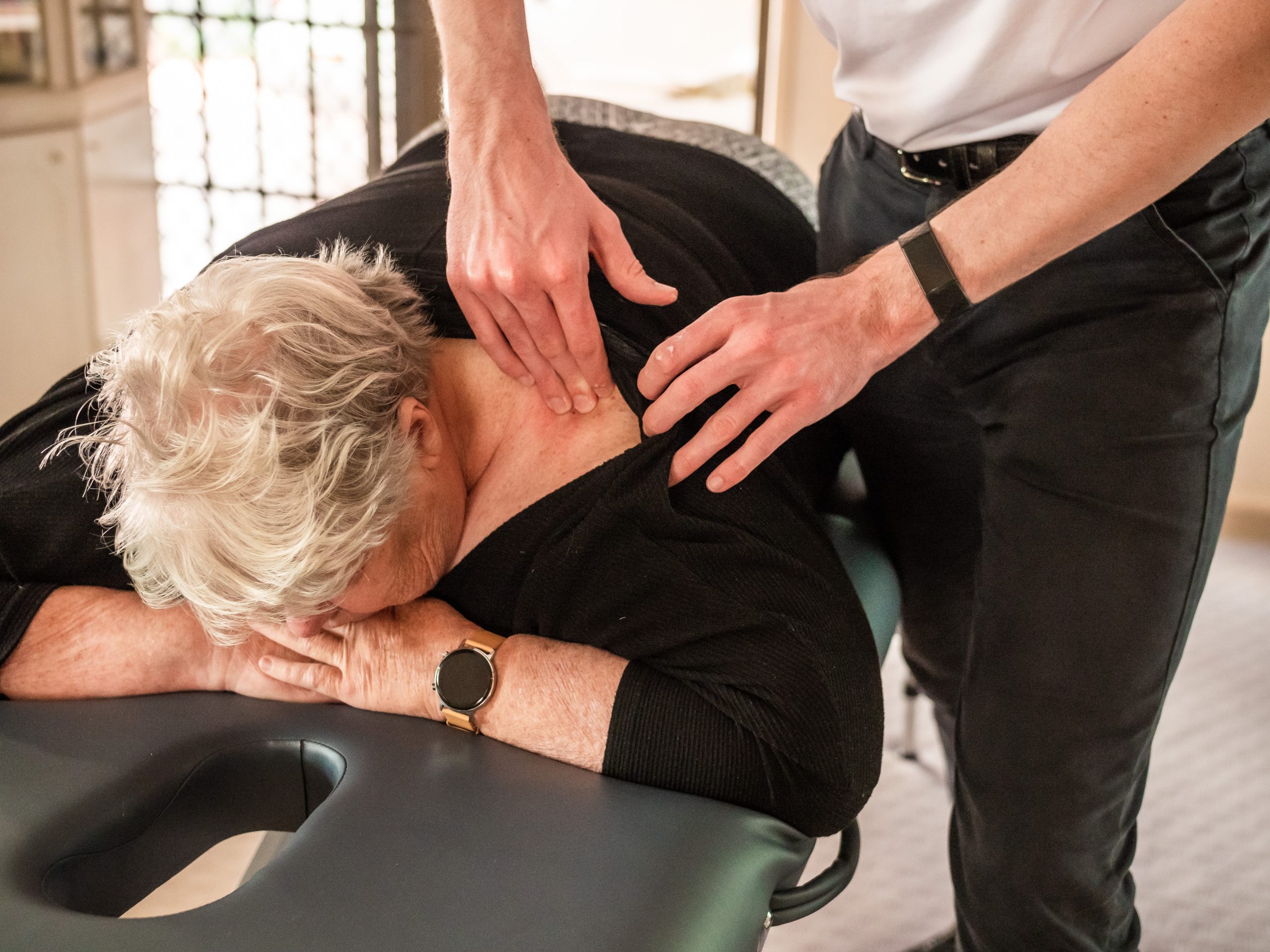
딥 티슈 마사지 트리트먼트의 6가지 이점
Related Post
The Between Adhd And Restless Leg SyndromeThe Between Adhd And Restless Leg Syndrome
Understanding ADHD and Its Impact
Attention-Deficit Hyperactivity Disorder(ADHD) is oft detected as a condition in the first place affecting children, characterized by hyperactivity, impulsivity, and difficulty concentrating. However, the world is that ADHD often persists into adulthood, presenting significant challenges in various aspects of life. Beyond the usually recognized symptoms, ADHD can attest in less axiomatic ways, such as difficulties with feeling rule, organisation, and even sleep. Understanding the broader spectrum of ADHD symptoms is material for correct diagnosing and effective direction. Many adults with ADHD fight to exert sharpen, finagle time in effect, and see feeling fluctuations that touch their routines and relationships. This can lead to feelings of frustration, inadequacy, and magnified stress levels.
The impact of ADHD extends beyond faculty member or professional settings. It can significantly involve personal relationships, self-esteem, and overall well-being. Individuals with ADHD may find it stimulating to watch through on commitments, leading to conflicts with favored ones. The constant fight to wangle symptoms can also put up to feelings of anxiety and depression. Moreover, the challenges associated with ADHD can lead to inflated susceptibility to other unhealthy health conditions. Recognizing the diverse ways ADHD can manifest and regard individuals is requirement for providing appropriate support and interventions, sanctioning those strained to lead fulfilling and successful lives. Untreated, ADHD can importantly decrease timbre of life.
What is Restless Leg Syndrome(RLS)?
Restless Leg Syndrome(RLS), also known as Willis-Ekbom Disease, is a medical specialty trouble characterised by an overpowering urge to move the legs, typically accompanied by uncomfortable sensations. These sensations are often described as tingle, creep, pulling, or aching, and they tend to come about primarily in the or at Night. The symptoms are typically eased by social movement, such as walking, stretch, or quivering the legs. RLS can significantly disrupt sleep late, leadership to daylight jade, injured , and reduced overall timbre of life. While the exact cause of RLS is unknown, it is believed to necessitate imbalances in the neurotransmitter Intropin, which plays a material role in dominant movement.
The rigor of RLS symptoms can vary wide, ranging from mild uncomfortableness to saturated pain that significantly interferes with daily activities. Some individuals undergo symptoms only now and again, while others are forced nightly. RLS can be primary feather, meaning it has no known cause, or secondary, resulting from underlying conditions such as iron want, kidney disease, or maternity. Diagnosis typically involves a nonsubjective rating supported on the affected role’s symptoms and medical examination chronicle. Treatment options range from life style modifications, such as regular exercise and avoiding caffeine, to medications that help regularize Intropin levels or reduce steel irritability. Properly managing RLS is requisite for rising sleep tone and overall well-being.
The ADHD RLS Link: Exploring the Connection
Several studies have recommended a potentiality link between ADHD and RLS, indicating that individuals with ADHD may be more likely to go through RLS symptoms. While the exact nature of this is still being investigated, researchers advise that divided medical specialty pathways or underlying neurotransmitter imbalances may put up to the co-occurrence of these two conditions. For example, both ADHD and RLS have been coupled to disruptions in Intropin signaling in the mind. Dopamine plays a life-sustaining role in regulating front, tending, and reward pathways, qualification it a potential park denominator. Furthermore, iron deficiency, which has been implicated in both ADHD and RLS, could also put up to the determined connexion.
Understanding the potentiality relationship between ADHD and RLS is material for clinicians in enjoin to ply comp and effective care. When evaluating patients with ADHD, it’s prodigious to wonder about RLS symptoms and vice versa. Recognizing the co-occurrence of these conditions can inform handling strategies and ameliorate affected role outcomes. For exemplify, addressing iron want or using medications that target Intropin pathways may be beneficial for individuals experiencing both ADHD and RLS. Further search is requisite to to the full sort out the subjacent mechanisms that these conditions, but acknowledging the potentiality association can lead to better diagnosis and direction.
ADHD Sleep Issues: A Common Comorbidity
Sleep disturbances are a commons issue for individuals with ADHD. These sleep late problems can attest in various forms, including difficulty falling asleep(insomnia), frequent awakenings during the Night, and an overall reduced catch some Z’s duration. These difficulties can stem from a variety show of factors associated with ADHD, such as hyperactivity, racing thoughts, and difficulties with feeling rule. The constant unhealthy natural process and queasiness can make it hard to wind down and unlax before bedtime. Additionally, the use of stimulus medications to manage ADHD symptoms can sometimes interfere with sleep out, particularly if taken too late in the day. The bear upon of poor log Z’s on individuals with ADHD is significant, as it can exasperate ADHD symptoms and further vitiate cognitive function, mood, and overall quality of life.
Addressing slumber issues is an necessary portion of ADHD direction. Strategies to improve catch some Z’s hygienics, such as establishing a homogeneous sleep schedule, creating a relaxing bedtime subroutine, and avoiding caffeine and electronics before bed, can be good. Cognitive behavioral therapy for insomnia(CBT-I) is another operational approach that helps individuals identify and change veto thoughts and behaviors that contribute to catch some Z’s problems. In some cases, medications such as melatonin or non-habit-forming log Z’s aids may be positive to ameliorate sleep out tone. By addressing slumber issues proactively, individuals with ADHD can see improvements in their ADHD symptoms, cognitive performance, and overall well-being. For comprehensive subscribe and treatment for your mental health, consider stretch out to Vantage Mental Health for an ADHD judgement.
ADHD Insomnia Causes: Unraveling the Factors
Insomnia in individuals with ADHD can be attributed to a concourse of factors, many of which are directly overlapping to the core symptoms of the distract. The active and spontaneous nature of ADHD can make it challenging to subside down and train for sleep late. Racing thoughts and an inability to quiet the mind can lead to substantial delays in descending asleep. Emotional dysregulation, another common symptom of ADHD, can also contribute to insomnia. Difficulties managing emotions and heightened sensitivity to strain can make it harder to relax and unroll before bed. Additionally, co-occurring conditions such as anxiety and economic crisis, which are oft seen in individuals with ADHD, can further aggravate sleep in problems.
Furthermore, life-style factors and medicament use can also play a substantial role in ADHD-related insomnia. Irregular kip schedules, often stemming from difficulties with time direction and organization, can disrupt the body’s natural sleep-wake . The expenditure of caffeine or other stimulants, especially in the , can interpose with sleep in oncoming and upkee. As mentioned earlier, stimulus medications used to treat ADHD can sometimes have insomnia as a side set up, particularly if the dose or timing is not the right way well-balanced. Understanding the specific factors tributary to insomnia in individuals with ADHD is material for development trim interventions that address the subjacent causes and raise healthy sleep habits.
ADHD Movement Disorders: More Than Just Hyperactivity
While hyperactivity is a stylemark symptom of ADHD, it’s prodigious to recognize that ADHD can also be associated with other front disorders beyond simpleton queasiness. These can admit tics, which are fast, repetitive movements or vocalizations, and other unwilling movements. Some individuals with ADHD may demo perceptive drive coordination difficulties or hyperbolic fidgeting that goes beyond typical hyperactivity. The underlying mechanisms linking ADHD and social movement disorders are not full implicit, but they may require disruptions in Intropin signal and other neurotransmitter systems in the nous. It’s also Worth noting that certain medications used to treat ADHD can sometimes induce or exacerbate social movement disorders in impressible individuals.
Clinicians should be witting of the potential for co-occurring movement disorders in individuals with ADHD, as these conditions can significantly touch on daily performance and timber of life. A comprehensive examination valuation should include an judgement of motor skills, the front of tics or nonvoluntary movements, and a detailed story of medicine use. Treatment approaches may demand a combination of behavioural therapies, medicine adjustments, and in some cases, specific medications to manage movement disorders. Addressing these often-overlooked aspects of ADHD can lead to more operational and holistic care, improving overall well-being.
ADHD Sleep Quality: The Impact on Daily Life
Poor sleep timber can have a deep touch on on the lives of individuals with ADHD. Sleep is necessary for psychological feature operate, emotional rule, and overall physical health. When sleep out is discontinuous or light, it can worsen ADHD symptoms, qualification it even more uncheckable to reduce, finagle impulsivity, and regularise emotions. Daytime fag out and somnolence can lead to belittled productiveness at work or civilis, raised peevishness, and visually impaired mixer interactions. Additionally, chronic log Z’s privation can step-up the risk of developing other unhealthy health conditions, such as anxiety and economic crisis, as well as physical wellness problems like vas and .
Improving sleep out timber is, therefore, a critical portion of ADHD direction. A multifarious approach that includes modus vivendi modifications, activity therapies, and medicine direction may be necessary to address the underlying causes of kip problems. Strategies such as maintaining a consistent sleep in schedule, creating a restful bedtime function, avoiding caffein and alcoholic beverage before bed, and practicing rest techniques can significantly improve slumber timber. For those experiencing persistent sleep out problems, seeking professional person help from a log Z’s specialiser or unhealthy wellness professional person is advisable. Prioritizing log Z’s and implementing operational catch some Z’s management strategies can lead to substantive improvements in ADHD symptoms, cognitive work, and overall tone of life. Reach out to Vantage Mental Health for personalized care and support.
Strategies for Managing ADHD and RLS Together
Managing ADHD and RLS concurrently requires a comprehensive examination and individualised go about. It is crucial to work closely with healthcare professionals, including physicians, psychiatrists, and kip specialists, to educate a treatment plan that addresses the particular needs of each somebody. Lifestyle modifications, such as regular work out, a equal diet, and good sleep out hygiene, can play a significant role in managing both conditions. Avoiding caffeine and intoxicant, especially in the , can help reduce RLS symptoms and improve log Z’s timbre. Regular natural science natural action can also help palliate symptoms of both ADHD and RLS. For ADHD, implementing strategies like time direction techniques, organizational tools, and mindfulness practices can help improve focalize and tighten impulsivity.
Medication direction may also be necessary for some individuals. Certain medications used to regale ADHD can sometimes aggravate RLS symptoms, while others may have a good set up. Similarly, medications used to regale RLS can sometimes interact with ADHD medications. It is essential to hash out all medications and supplements with your health care supplier to assure there are no adverse interactions. Iron supplementation may be good for individuals with iron deficiency, as this can put up to both ADHD and RLS symptoms. Cognitive behavioural therapy(CBT) can also be a worthy tool for managing both conditions, serving individuals develop cope skills for managing ADHD symptoms and addressing sleep problems side by side to RLS. Proper ADHD handling might need professional help, schedule a ADHD assessment today.
The Role of Diet and Exercise
Diet and exercise play crucial roles in managing both ADHD and RLS. A balanced diet rich in requirement nutrients can help support brain function and gover neurotransmitter levels. Focus on incorporating foods high in protein, complex carbohydrates, and healthy fats, while limiting processed foods, honeylike drinks, and undue caffeine consumption. Iron-rich foods, such as fan-leaved putting green vegetables, lean meats, and strong cereals, are particularly earthshaking for individuals with RLS, as iron deficiency can exasperate symptoms. Staying hydrated by drinking plenty of water throughout the day is also material for overall wellness and well-being. Furthermore, consider consulting with a registered nutritionist or nutritionist to train a personalized meal plan that meets your particular needs and addresses any nutritionary deficiencies.
Regular exercise can have many benefits for individuals with ADHD and RLS. Physical natural action can help improve mood, tighten stress, and raise cognitive function. For individuals with ADHD, exercise can help free nimiety vim, better sharpen, and tighten impulsivity. For those with RLS, exercise can help alleviate symptoms by rising and reducing steel irritability. Aim for at least 30 minutes of moderate-intensity work out most days of the week, such as brisk walk, jogging, swim, or . Incorporate stretch and yoga into your routine to better tractability and tighten muscle tenseness. It is probative to find activities that you and that fit into your modus vivendi to ensure long-term adherence. Remember to consult with your health care supplier before start any new exercise program.
Seeking Professional Help: When to Consult a Doctor
Knowing when to seek professional person help is essential for in effect managing ADHD and RLS. If you surmise you have ADHD or RLS, or if you are experiencing symptoms that are importantly impacting your life, it is earthshaking to consult with a health care supplier. A comprehensive examination valuation can help whether you meet the characteristic criteria for either and identify any subjacent causes or tributary factors. Early diagnosing and intervention can lead to better outcomes and ameliorate overall timber of life. Additionally, if you have already been diagnosed with ADHD or RLS but are not responding well to handling, or if your symptoms are decline in quality, it is crucial to seek further medical exam advice.
Consulting with a multidisciplinary team of healthcare professionals, including physicians, psychiatrists, neurologists, and catch some Z’s specialists, can provide you with the most comp and operational care. Your healthcare supplier can transmit a thorough medical exam story, do a physical testing, and order any necessary tests, such as blood tests or log Z’s studies. They can also help you prepare a personal handling plan that addresses your particular needs and goals. Remember, you don’t have to fight alone. Seeking professional person help is a sign of strength and can gift you to take verify of your wellness and well-being. At Vantage Mental Health, we are bound up to providing feel for and comprehensive examination unhealthy health services.
Metro Dental Hong Kong: Excellence in Modern Dental CareMetro Dental Hong Kong: Excellence in Modern Dental Care

A confident smile is a reflection of good oral health and self-assurance. At Metro Dental Hong Kong, patients receive world-class dental treatments in a modern, comfortable environment. With a focus on affordability, advanced technology, and patient-centered care, Metro Dental is a trusted name for individuals and families seeking high-quality dental solutions.
Why Choose Metro Dental Hong Kong?
Metro Dental stands out for its commitment to exceptional care, offering:
Experienced & Certified Dentists – Specialists in general, cosmetic, and restorative dentistry.
State-of-the-Art Facilities – Equipped with cutting-edge dental technology for precision treatments.
Multiple Convenient Locations – Clinics in Tsim Sha Tsui, Mong Kok, Tseung Kwan O, and more.
Comprehensive Dental Services – From preventive check-ups to complex surgical procedures.
Patient-Friendly Approach – Ensuring a stress-free and comfortable dental experience.
Comprehensive Dental Services at Metro Dental
1. Preventive & General Dentistry
Maintaining good oral health starts with routine care. Metro Dental provides:
- 牙周病 Check-Ups & Cleanings – Removes plaque and prevents cavities.
- Fluoride Treatment – Strengthens enamel for added protection.
- Digital X-Rays & 3D Imaging – Detects issues before they become serious.
2. Cosmetic Dentistry for a Radiant Smile
Enhance the beauty of your smile with customized treatments:
- Teeth Whitening – Brightens discolored teeth for a youthful appearance.
- Porcelain Veneers – Covers stains, chips, and gaps for a perfect smile.
- Complete Smile Makeovers – Tailored solutions for aesthetic enhancements.
3. Restorative Dentistry for Strong & Healthy Teeth
For damaged or missing teeth, Metro Dental offers long-lasting solutions:
- Tooth-Colored Fillings – A natural-looking alternative to silver fillings.
- Crowns & Bridges – Strengthens weak teeth and fills missing spaces.
- Dentures & Partial Dentures – Comfortable and functional tooth replacements.
4. Orthodontics for Straight & Aligned Teeth
Correct dental misalignment with modern orthodontic options:
- Traditional Metal Braces – Time-tested treatment for effective alignment.
- Invisalign & Clear Aligners – A nearly invisible way to straighten teeth.
- Retainers & Orthodontic Appliances – Maintains alignment post-treatment.
5. Dental Implants & Oral Surgery
For patients needing permanent tooth replacement, Metro Dental offers:
- Dental Implants – A durable and natural-looking solution for missing teeth.
- Wisdom Tooth Extraction – Safe removal of impacted teeth.
- Bone Grafting – Strengthens the jaw for implant placement.
6. Periodontal (Gum) Treatments
Healthy gums are essential for strong teeth. Metro Dental provides:
- Deep Cleaning & Scaling – Prevents and treats gum disease.
- Laser Gum Therapy – Minimally invasive treatment for gum issues.
- Receding Gum Treatment – Restores lost gum tissue and enhances oral health.
7. Pediatric Dentistry for Children’s Oral Health
Metro Dental ensures a gentle and positive experience for young patients, encouraging good dental habits from an early age.
A Comfortable & Modern Dental Experience
Metro Dental’s Tsim Sha Tsui flagship clinic is a government-approved day procedure center, offering monitored anesthesia care for pain-free advanced treatments.
Affordable & Accessible Dental Care
Metro Dental believes in transparent pricing and accepts healthcare vouchers, making high-quality dental care accessible to everyone.
Revolutionizing Recovery Navigating the Challenges of Chest Wall InfectionRevolutionizing Recovery Navigating the Challenges of Chest Wall Infection
Introduction: A Painful Reality
Imagine waking up one morning with a heaviness in your chest, the sharp pangs reminding you of your last visit to a health facility. Some statistics suggest that over 15% of patients experience complications related to an infection in chest wall, and that’s no small number! It’s a startling situation that leaves many wondering how they can find real answers. The chest wall, essential for protecting vital organs, can sometimes fall victim to insidious infections, resulting in pain and a significant impact on daily living. As frustrating as this might be, understanding the deeper issues at play is crucial for finding effective solutions. Let’s peel back the layers and uncover what is really going on.
The Traditional Approach: Flaws That Heighten Pain Points
When it comes to tackling an infection in the chest wall, traditional solutions—think straightforward treatments and immediate hospital visits—often leave much to be desired. Sure, they may provide quick relief, but what about the recovery journey that follows? Many patients find that aftercare lacks the thoroughness needed, leading to persistent issues. It’s common to run into incomplete assessments or insufficient follow-up care (especially concerning complex cases). And here’s the kicker—these flaws don’t just complicate recovery; they can lead to a cycle where the infection reemerges, leaving individuals feeling helpless. Look, it’s simpler than you think; recognizing these flaws can shift perspectives towards better care outcomes.
What Lies Beneath the Surface?
Did you know that chest wall infection symptoms can masquerade as something else entirely? For instance, the fatigue associated with respiratory conditions can sometimes overshadow underlying infections. This means many people wait too long before seeking help, exacerbating their situation. Additionally, patients may feel pressured to conform to a one-size-fits-all treatment route, which often ignores their unique recovery needs. Addressing these hidden pain points is vital to streamline the recovery experience.
Looking Ahead: Innovative Techniques for Better Outcomes
As we shift our gaze forward, new technology principles in healthcare are setting the stage for transformative solutions to chest wall infections. Imagine a world where tailored treatment plans recognize individual symptoms, leveraging data analytics and advanced imaging techniques. We’re already seeing whispers of such advancements, with solutions that not only address immediate issues but also pave the way for holistic long-term recovery. Consider the potential of telemedicine, which can enhance ongoing monitoring— reducing the chances of infection recurrence. Combining such innovations with conventional treatment has the capacity to change the game entirely!
Real-World Impact: How Change Is Coming
This is where we anticipate seeing significant shifts. Case studies show that personalized recovery protocols, enhanced by AI-driven analysis of chest wall infection symptoms, could mean faster, more reliable healing processes. Patients could receive real-time feedback on their symptoms, adjusting their treatment without needing endless trips to healthcare facilities. The potential for remote consultations is exciting! These shifts in treatment paradigms can empower patients in their healing journey, offering them agency that was often stripped away by traditional models.
Conclusion: A New Approach for a Better Tomorrow
So, what have we learned through this exploration? The landscape of treating chest wall infections is evolving, and as we move forward, embracing technology and personalized care emerges as essential strategies. By focusing on thorough assessments and innovative solutions, patients may experience not only relief from their symptoms but also a more supportive recovery journey. For anyone facing these challenges, remember that the future looks promising—the integration of smart practices could yield measurable improvements in outcomes. So, keep an eye on upcoming treatments and resources, and consider the insights shared here as you navigate this journey. For further insights, check out ICWS.
“
EPO vs PPO Health Insurance Differences A Comprehensive Guide for 2024EPO vs PPO Health Insurance Differences A Comprehensive Guide for 2024
Understanding EPO and PPO Health Insurance Plans

Choosing the right health insurance plan is crucial for managing healthcare costs and ensuring access to necessary medical services. EPO vs PPO health insurance differences Among various options, Exclusive Provider Organization (EPO) and Preferred Provider Organization (PPO) plans are two popular choices, each offering distinct features tailored to different healthcare needs. This guide delves into the key differences between EPO vs PPO health insurance, helping you make an informed decision in 2024.
What Is an EPO Health Insurance Plan?
Definition and Core Features
An EPO plan is a type of managed care health insurance that requires members to use a network of healthcare providers for coverage. Unlike HMO plans, EPOs typically do not require referrals to see specialists, offering a degree of flexibility within the network. However, they do not cover any out-of-network services, making it essential for members to stay within the designated provider network.
Advantages of EPO Plans
- Lower Premiums: EPOs often have lower monthly premiums compared to PPOs, making them an attractive option for budget-conscious individuals.
- No Referral Requirement: Members can see specialists directly without needing a primary care physician’s referral, streamlining access to specialized care.
- Predictable Costs: Since out-of-network care is typically not covered, members have predictable expenses when sticking to network providers.
Limitations of EPO Plans
- No Coverage Outside Network: If you seek care outside the network, you will be responsible for the full cost, which can be significant in emergencies or specialized treatments.
- Limited Provider Choices: Your access to healthcare providers is restricted to the network, which might be limited depending on your location.
What Is a PPO Health Insurance Plan?
Definition and Core Features
A PPO plan offers more flexibility by allowing members to visit any healthcare provider, whether in-network or out-of-network. While in-network services are covered at lower costs, PPO members can see out-of-network providers for additional coverage, often paying higher out-of-pocket expenses.
Advantages of PPO Plans
- High Flexibility: Members are free to choose any healthcare provider without a referral, including out-of-network specialists.
- Broader Provider Network: PPO networks tend to be larger, providing access to a wider range of healthcare professionals and facilities.
- Out-of-Network Coverage: Coverage extends to out-of-network care, offering peace of mind in emergencies or when specialized services are needed.
Limitations of PPO Plans
- Higher Premiums: The flexibility and broader network generally come with higher monthly premiums compared to EPO plans.
- Costlier Out-of-Pocket Expenses: Out-of-network care can be expensive due to higher deductibles, copayments, and coinsurance.
Key Differences Between EPO and PPO Plans
While both EPO and PPO plans serve the purpose of providing managed healthcare, several critical differences can influence your choice:
- Network Restrictions: EPO plans require members to stay within their provider network, whereas PPO plans allow broader provider choices, including out-of-network providers.
- Coverage for Out-of-Network Care: PPOs offer coverage for out-of-network services, often at a higher cost, unlike EPOs which do not cover out-of-network care at all.
- Referrals: EPO plans typically do not require referrals to see specialists, similar to PPOs, but some EPOs might have restrictions on certain specialist visits.
- Cost Structure: EPOs generally have lower premiums but higher out-of-pocket costs when using in-network providers. Conversely, PPOs tend to have higher premiums but offer more flexibility and coverage options.
Which Plan Is Right for You?
Choosing between an EPO vs PPO health insurance plan depends on your healthcare needs, budget, and preferences:
Consider an EPO if:
- You prefer lower monthly premiums.
- You are comfortable using a limited network of providers.
- You rarely need out-of-network care and value straightforward, predictable costs.
Opt for a PPO if:
- You want maximum flexibility in choosing healthcare providers.
- You anticipate needing out-of-network services or specialist care.
- You are willing to pay higher premiums for broader coverage options.
Conclusion
The decision between EPO vs PPO health insurance plans hinges on your individual healthcare needs, financial situation, and preferences for provider flexibility. EPOs offer a cost-effective solution for those who are comfortable within a network and seek lower premiums, while PPOs provide unmatched flexibility and access to a wider range of providers, albeit at a higher cost. By understanding these differences, you can select a plan that best aligns with your health and financial goals in 2024.