
Islasan Marcos Health & Fitness How To Store Cannabis For Maximum Novelty

How To Store Cannabis For Maximum Novelty

Cannabis is more than just a product it s an experience. The scen, flavor, potency, and effects of your dispensary cannabis are all influenced by how well it s stored. Unfortunately, even insurance premium strains can lose their thaumaturgy if not handled right. Whether you re a experient partizan or a new patient, learnedness how to salt away ganja correctly is necessary to protective its freshness, potential, and overall timbre.

Here s a steer to retention your marihuana at its best, every one time.

1. Keep It Cool, But Not Col

d

Temperature is one of the most critical factors in maintaining marihuana freshness. High temperatures can dry out the buds, put down cannabinoids like THC, and decrease season. Ideally, your marijuana should be stored in a cool, dark point around 60-70 F(15-21 C).

Avoid the icebox and freezer unless you are storing extracts or concentrates. Freezing flower can cause trichomes the rosin glands that carry cannabinoids and terpenes to become toffee and break off off. This not only reduces potentiality but also alters the texture and smell of your marihuana.

2. Control Humidity for Perfect Buds

Humidity is just as probative as temperature. Too much moisture can advance mold growth, while too little can dry out your buds, making them unpleasant and less flavorful.

The paragon relation humidity(RH) for storing marijuana is between 55 and 62. You can achieve this using humidness verify packs, which help exert a homogenous interior your depot . Proper humidity not only preserves the taste and odor but also keeps the trichomes intact, ensuring level bes potential.

3. Use the Right Containers

Your choice of container can make or break the novelty of your marijuana. Air-tight glaze over jars are the gold standard because they prevent to oxygen, which can take down cannabinoids over time.

Avoid pliant bags or containers for long-term storage. Plastic can return static, which may pull trichomes from your buds, reduction potency. Additionally, light-colored glaze over or clear containers allow UV get off in, which can damage your cannabis. Stick to dark amber or unintelligible jars for long-term storehouse to protect against unhorse .

4. Limit Exposure to Oxygen

Oxygen is a John Major of cannabis novelty. Over time, O can cause THC to put down into CBN, which may make the buds feel less virile or even somewhat sedative.

Every time you open your jar, atomic number 8 interacts with your cannabis, so it s best to understate frequent possibility. Consider nonbearing your cache into littler jars if you have a large provide. This way, you only give away a portion at a time, holding the rest sealed and freshly.

5. Protect From Light

Light, particularly UV rays, can break apart down cannabinoids and terpenes in marijuana, leading to a loss of potential and odour. That s why storing marijuana in dark jars or cabinets is material.

Keep your containers in a closet, drawer, or sacred cannabis storage box. If you must lay in in a glass over jar, select one with a dark tint or direct it inside a dismount-proof bag or to stuff sunlight.

6. Avoid Strong Odors and Cross-Contamination

Cannabis is extremely absorbent material and can pick up external odors if stored improperly. Keep it away from spices, perfumes, and other strong-smelling products. Not only does this affect the flavour and scen, but it can also compromise your overall see.

Similarly, keep off storing different strains together. Each stress has a unusual terpene profile, and intermixture them can muddle the flavor and odour of each hatful.

7. Consider Specialty Storage Options

For serious ganja connoisseurs, there are high-tech storage solutions that optimize freshness. Humidors premeditated specifically for glitter bomb strain can gover both humidity and temperature. Some hi-tech options even come with vacuum-sealing and odor-proof engineering science to maximise ledge life.

For modest, mundane use, simply investing in air-tight glaze jars and humidity packs will go a long way. These tools are tuppeny and effective at protective both the flavour and potential of your buds.

8. Know Your Shelf Life

Even with perfect storehouse, marijuana is not divinity. Flower is best used up within 6-12 months of buy out for best personal effects, while decently stored concentrates and edibles can last thirster. Keeping an eye on novelty and rotating your sprout ensures every puff or bite is as tasty and potent as the day you bought it.

Final Thoughts

Storing dispensary marihuana in good order is not just about holding it good enough. It s about maintaining its wholeness, aroma, flavor, and cure effects. A few simple stairs cool, dark depot, humidness control, air-tight containers, and nominal to unhorse and atomic number 8 can dramatically improve your undergo.

Treat your marihuana with care, and it will reward you with the rich, flavoursome, and virile undergo you merit. After all, of import marihuana deserves outstanding storehouse.
Leave a Reply

Your email address will not be published. Required fields are marked *

Related Post

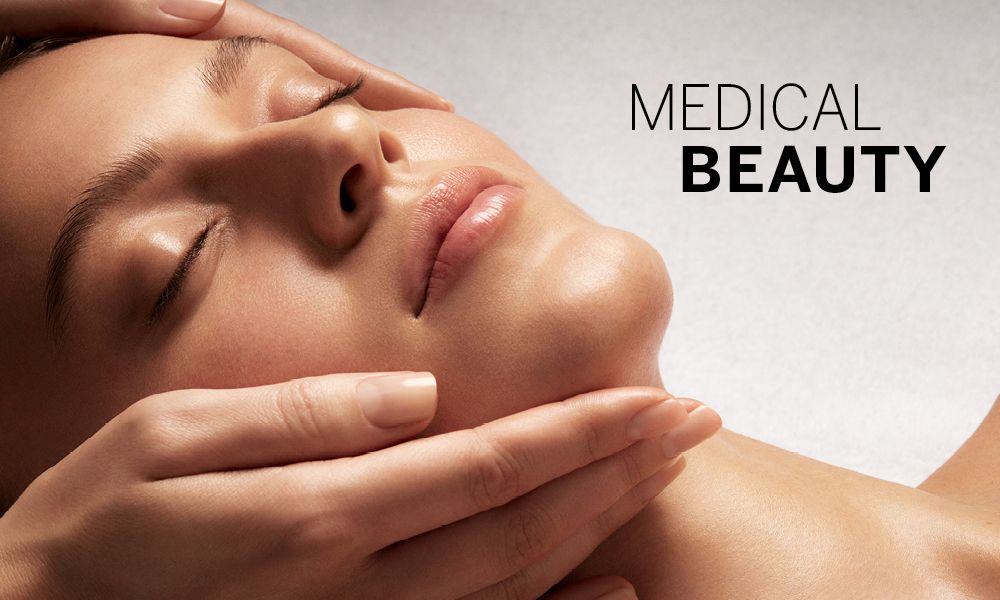
Medical Beauty: The Intersection of Science and AestheticsMedical Beauty: The Intersection of Science and Aesthetics

The world of beauty is evolving rapidly, with an increasing number of individuals turning to medical beauty to enhance their appearance. Gone are the days when cosmetic surgery was the only option for those seeking to reverse the signs of aging or improve their appearance. Now, thanks to advancements in medical technology, a growing number of non-invasive and minimally invasive treatments are available to help individuals look and feel their best. This phenomenon, known as medical beauty, has become a cornerstone of the wellness and beauty industries, offering innovative solutions that are both effective and accessible.

In this article, we’ll explore what medical beauty is, how it has transformed the aesthetic landscape, the most popular treatments, and the key benefits driving its rising popularity.

What Is Medical Beauty?

Medical beauty, or aesthetic medicine, combines the precision and expertise of medical professionals with the art of cosmetic enhancement. It refers to a range of non-surgical treatments designed to improve or enhance a person’s appearance by addressing concerns such as wrinkles, skin texture, volume loss, body shape, and even hair loss. The key difference between medical beauty and traditional beauty treatments (such as facials or makeup) is the use of advanced technology and medical-grade products, often administered by dermatologists, cosmetic surgeons, or other trained specialists.

This type of beauty treatment is typically less invasive than traditional cosmetic surgery, making it an appealing choice for those looking for a more affordable, safer, and less risky way to enhance their appearance. The procedures are often quick, with little to no downtime, and offer natural-looking results that don’t drastically alter a person’s features.

The Popularity of Medical Beauty

Medical beauty treatments have gained immense popularity for several reasons. This surge in interest can be attributed to the growing desire for self-care, technological advancements, and a shift toward more natural-looking results. Here’s why so many individuals are choosing medical beauty treatments over traditional options:

1. Non-Invasive Solutions

Medical beauty procedures are designed to be non-invasive or minimally invasive, meaning that individuals don’t have to undergo the risks, recovery times, and scars associated with traditional cosmetic surgery. For instance, Botox injections or dermal fillers can be performed in under an hour with no downtime, allowing patients to return to their regular activities right away.

2. Natural-Looking Results

One of the primary goals of medical beauty is to provide results that enhance natural features rather than create an artificial or "overdone" appearance. Procedures like Botox, dermal fillers, and laser treatments work to improve skin tone, texture, and facial volume in subtle ways, leading to a more youthful and refreshed look.

3. Personalized Treatment Plans

Every individual is unique, and so are their aesthetic goals. Medical beauty professionals often create tailored treatment plans based on each person's specific needs and concerns. This personalized approach ensures that the results are not only effective but also align with the client’s preferences and facial structure.

4. Long-Lasting Effects

While traditional beauty treatments like facials or makeup offer temporary effects, many medical beauty procedures provide long-lasting results. For example, Botox injections can last 3-6 months, while dermal fillers can offer improvements for up to 18 months. Non-surgical fat reduction treatments can result in permanent fat loss when combined with a healthy lifestyle.

Common Medical Beauty Treatments

There are a variety of procedures within the medical beauty realm, each targeting different aesthetic concerns. Some of the most popular treatments include:

1. Botox and Neurotoxin Injections

Botox is a neuromodulator that temporarily paralyzes the muscles responsible for creating wrinkles. It is most commonly used to smooth out fine lines on the forehead, around the eyes (crow's feet), and between the eyebrows (frown lines). Botox works by blocking signals from the nerves to the muscles, preventing them from contracting and forming wrinkles. Results typically last for 3-6 months.

Other neuromodulators, such as Dysport, Xeomin, and Jeuveau, work similarly to Botox and are used to reduce wrinkles and fine lines in targeted areas.

2. Dermal Fillers

Dermal fillers are injectable treatments that restore volume to the face and smooth out wrinkles. As we age, our skin loses collagen and fat, which can lead to sagging or hollowed areas on the face. Fillers such as hyaluronic acid (Restylane, Juvederm) or calcium hydroxylapatite (Radiesse) can be used to plump the cheeks, fill under-eye hollows, enhance lip volume, and soften nasolabial folds (the lines running from the nose to the corners of the mouth).

The results from dermal fillers are immediate and can last anywhere from six months to two years, depending on the type of filler used.

3. Laser Skin Treatments

Laser treatments have become one of the most versatile tools in the medical beauty arsenal. They can address a variety of skin concerns, including wrinkles, pigmentation issues, acne scars, and sun damage. Popular laser treatments include:

  • Fractional Laser Resurfacing: This treatment creates microscopic channels in the skin to stimulate collagen production and reduce wrinkles, scars, and pigmentation.
  • Laser Hair Removal: An efficient solution for permanent hair reduction, laser hair removal targets hair follicles, preventing future hair growth.
  • Intense Pulsed Light (IPL): This non-laser light treatment is used to target sun spots, acne, and redness, giving skin a clearer, more even tone.

4. Chemical Peels

Chemical peels involve the application of a chemical solution to the skin, which exfoliates the outermost layers of the skin, promoting cell turnover. Depending on the strength of the peel, it can be used to treat a range of skin concerns, from mild acne to severe sun damage or hyperpigmentation. Superficial peels have little downtime, while deeper peels may require more recovery time.

5. Microneedling

Microneedling is a procedure that uses tiny needles to create controlled micro-injuries in the skin. This stimulates collagen and elastin production, leading to smoother, firmer skin. Microneedling can be used to improve the appearance of fine lines, acne scars, stretch marks, and overall skin texture. For enhanced results, it can be combined with platelet-rich plasma (PRP), which uses your own blood to boost collagen and skin regeneration.

6. Non-Surgical Body Contouring

Non-invasive fat reduction treatments such as CoolSculpting and SculpSure have revolutionized body contouring. These treatments use controlled cooling or heat to target and destroy fat cells, which are then naturally eliminated by the body over time. These treatments are perfect for individuals who struggle with stubborn fat pockets in areas such as the abdomen, thighs, or flanks.

Benefits of Medical Beauty

The rise of medical beauty can be attributed to the numerous benefits it offers:

1. Less Risk, More Reward

Medical beauty treatments are significantly less invasive than traditional cosmetic surgery, meaning there’s less risk involved. When performed by a licensed and trained professional, the risks are minimal, and the results are often more natural-looking.

2. Quick Results and Minimal Downtime

Many medical beauty procedures take little time and have minimal downtime. For instance, a Botox treatment can be completed in under 30 minutes, and clients can return to their regular activities right after. Laser treatments and chemical peels might require a few days of recovery, but they still involve far less downtime than surgery.

3. Long-Term Results

Many non-invasive medical beauty treatments offer long-lasting results, which makes them more cost-effective over time. While the effects aren’t permanent, they can last for months to years, depending on the procedure.

4. Improved Confidence

The ultimate goal of thermage flx is to help individuals feel better about themselves. Whether it's smoothing out wrinkles, restoring volume to the face, or sculpting the body, medical beauty offers a path to enhance self-esteem and confidence.

The Future of Medical Beauty

As technology advances, the field of medical beauty will continue to grow. From more precise laser treatments to the development of personalized skincare solutions using AI, the future of medical beauty holds exciting possibilities. There is also an increasing trend towards holistic approaches that incorporate both external treatments and internal wellness, such as nutrition and stress management, to achieve the best aesthetic results.

Conclusion

Medical beauty is changing the way we think about aesthetics, offering innovative solutions that combine science, technology, and artistry to help people feel their best. Whether it’s wrinkle reduction, skin rejuvenation, or body contouring, medical beauty procedures provide a safe, effective, and minimally invasive way to achieve natural-looking, lasting results. As the demand for non-surgical aesthetic treatments continues to rise, medical beauty will remain at the forefront of the beauty and wellness industries, helping people enhance their natural beauty with precision and care.

EPO vs PPO Health Insurance Differences A Comprehensive Guide for 2024EPO vs PPO Health Insurance Differences A Comprehensive Guide for 2024

Understanding EPO and PPO Health Insurance Plans

Healthcare professionals discussing insurance options with patients, illustrating EPO and PPO health insurance plans.

Choosing the right health insurance plan is crucial for managing healthcare costs and ensuring access to necessary medical services. EPO vs PPO health insurance differences Among various options, Exclusive Provider Organization (EPO) and Preferred Provider Organization (PPO) plans are two popular choices, each offering distinct features tailored to different healthcare needs. This guide delves into the key differences between EPO vs PPO health insurance, helping you make an informed decision in 2024.

What Is an EPO Health Insurance Plan?

Definition and Core Features

An EPO plan is a type of managed care health insurance that requires members to use a network of healthcare providers for coverage. Unlike HMO plans, EPOs typically do not require referrals to see specialists, offering a degree of flexibility within the network. However, they do not cover any out-of-network services, making it essential for members to stay within the designated provider network.

Advantages of EPO Plans

  • Lower Premiums: EPOs often have lower monthly premiums compared to PPOs, making them an attractive option for budget-conscious individuals.
  • No Referral Requirement: Members can see specialists directly without needing a primary care physician’s referral, streamlining access to specialized care.
  • Predictable Costs: Since out-of-network care is typically not covered, members have predictable expenses when sticking to network providers.

Limitations of EPO Plans

  • No Coverage Outside Network: If you seek care outside the network, you will be responsible for the full cost, which can be significant in emergencies or specialized treatments.
  • Limited Provider Choices: Your access to healthcare providers is restricted to the network, which might be limited depending on your location.

What Is a PPO Health Insurance Plan?

Definition and Core Features

A PPO plan offers more flexibility by allowing members to visit any healthcare provider, whether in-network or out-of-network. While in-network services are covered at lower costs, PPO members can see out-of-network providers for additional coverage, often paying higher out-of-pocket expenses.

Advantages of PPO Plans

  • High Flexibility: Members are free to choose any healthcare provider without a referral, including out-of-network specialists.
  • Broader Provider Network: PPO networks tend to be larger, providing access to a wider range of healthcare professionals and facilities.
  • Out-of-Network Coverage: Coverage extends to out-of-network care, offering peace of mind in emergencies or when specialized services are needed.

Limitations of PPO Plans

  • Higher Premiums: The flexibility and broader network generally come with higher monthly premiums compared to EPO plans.
  • Costlier Out-of-Pocket Expenses: Out-of-network care can be expensive due to higher deductibles, copayments, and coinsurance.

Key Differences Between EPO and PPO Plans

While both EPO and PPO plans serve the purpose of providing managed healthcare, several critical differences can influence your choice:

  • Network Restrictions: EPO plans require members to stay within their provider network, whereas PPO plans allow broader provider choices, including out-of-network providers.
  • Coverage for Out-of-Network Care: PPOs offer coverage for out-of-network services, often at a higher cost, unlike EPOs which do not cover out-of-network care at all.
  • Referrals: EPO plans typically do not require referrals to see specialists, similar to PPOs, but some EPOs might have restrictions on certain specialist visits.
  • Cost Structure: EPOs generally have lower premiums but higher out-of-pocket costs when using in-network providers. Conversely, PPOs tend to have higher premiums but offer more flexibility and coverage options.

Which Plan Is Right for You?

Choosing between an EPO vs PPO health insurance plan depends on your healthcare needs, budget, and preferences:

Consider an EPO if:

  • You prefer lower monthly premiums.
  • You are comfortable using a limited network of providers.
  • You rarely need out-of-network care and value straightforward, predictable costs.

Opt for a PPO if:

  • You want maximum flexibility in choosing healthcare providers.
  • You anticipate needing out-of-network services or specialist care.
  • You are willing to pay higher premiums for broader coverage options.

Conclusion

The decision between EPO vs PPO health insurance plans hinges on your individual healthcare needs, financial situation, and preferences for provider flexibility. EPOs offer a cost-effective solution for those who are comfortable within a network and seek lower premiums, while PPOs provide unmatched flexibility and access to a wider range of providers, albeit at a higher cost. By understanding these differences, you can select a plan that best aligns with your health and financial goals in 2024.


Weten Van Het Wettelijke Rank Betreffende Cannabis Over De Hele Gemeenschap Eveneens De Drijfveer Voor DecriminaliseringWeten Van Het Wettelijke Rank Betreffende Cannabis Over De Hele Gemeenschap Eveneens De Drijfveer Voor Decriminalisering


Wiet is al decennialang een onderwerp van debat in Nederland. Hoewel het land wereldwijd bekend staat om zijn liberale houding ten opzichte van lichte verdovende middelen, staat het beleid rondom wiet constant onder druk van veranderende maatschappelijke inzichten, wetenschappelijke inzichten en internationale wetten.

De Nederlandse koffieshopcultuur heeft lange tijd gefungeerd als een bijzonder model waarin verkoop en consumptie van cannabis onder bepaalde regels wordt toegestaan, maar tegelijkertijd blijft productie en distributie onwettig. Deze paradox heeft geleid tot een grijze zone waarin onderwereldactiviteiten en verwarring floreren.

De recente testfase met legale wietproductie, waarbij de overheid experimenteert met legale en gecontroleerde kweek, markeert een belangrijke mijlpaal richting helderheid en veiligheid. Door de keten van productie tot verkoop inzichtelijk te maken, probeert men de zuiverheid van de cannabis te waarborgen, consumenten te inlichten en criminele netwerken buiten spel te zetten.

Toch blijft de discussie over regulering van cannabis complex. Bezwaarden wijzen op de gezondheidsproblemen, waaronder verslavingsproblematiek, psychische klachten en negatieve invloeden op de ontwikkeling van jongeren. Ondersteuners daarentegen benadrukken de pluspunten van regulering, zoals belastingopbrengsten, productveiligheid en een daling van de justitiële kosten.

Gezondheid speelt een steeds belangrijkere rol in het discussiepunt over cannabis. Nieuwe onderzoeken tonen aan dat het gebruik van edible gummies , vooral op jonge leeftijd of in hoge doseringen, schade met zich meebrengt. Tegelijkertijd groeit de belangstelling voor therapeutisch gebruik. Steeds meer zorggebruikers met langdurige klachten of andere gezondheidsproblemen rapporteren gunstige resultaten van cannabinoïden, wat leidt tot een groeiende vraag naar wetenschappelijk onderbouwde toepassingen.

De medische sector dringt aan op meer onderzoek en duidelijke richtlijnen, zodat cannabisproducten op een veilige manier ingezet kunnen worden.

Ook sociaal-cultureel is cannabis bezig aan een evolutie. Waar gebruik vroeger vaak werd geassocieerd met rebellie, is het inmiddels geaccepteerd in brede lagen van de bevolking. Studenten, beroepsbevolking en zelfs ouderen maken gebruik van cannabis in varianten, van traditionele joints tot edibles en oliën.

Deze brede acceptatie vraagt om een realistische benadering van het beleid, waarin voorlichting, preventie en bewustwording een centrale rol spelen. Het bevorderen van bewust gebruik en het tegengaan van misbruik wordt steeds meer gezien als een gezamenlijke verantwoordelijkheid van overheid, zorginstanties, onderwijs en samenleving.

Internationaal gezien ontwikkelt Nederland zich inmiddels niet langer als koploper, maar eerder als deelnemer. Landen als Canada, Uruguay en verschillende Amerikaanse staten hebben cannabis volledig gelegaliseerd en ontwikkelen groeiende industrieën met veel ruimte voor innovatie en economische groei. Voor Nederland betekent dit een heroverweging van zijn beleid op het wereldtoneel.

Blijft men vasthouden aan het huidige toelatingssysteem of wordt gekozen voor een meer modern systeem waarin volksgezondheid, veiligheid en economische belangen in evenwicht zijn?

Dispensary Cannabis A Complete Buyer’s ChecklistDispensary Cannabis A Complete Buyer’s Checklist

Walking into a cannabis dispensary can be both exciting and overwhelming. The shelves are stocked with countless strains, edibles, concentrates, and tinctures, all promising unique effects and experiences. Whether you’re a first-time buyer or a seasoned user exploring new products, knowing what to look for before making a purchase can save you time, money, and frustration. A little preparation goes a long way when it comes to selecting quality cannabis.

Here’s a complete buyer’s checklist to help you navigate dispensaries with confidence and leave with products that meet your needs and expectations.

1. Verify the Dispensary’s Legitimacy

The first item on your checklist should be ensuring the dispensary is licensed and reputable. A licensed dispensary follows strict safety and quality regulations, including mandatory lab testing for contaminants like pesticides, mold, and heavy metals.

Check for:

  • Valid licensing displayed in-store or online.

  • Positive customer reviews on Google, Leafly, or Weedmaps.

  • Transparent policies about product sourcing and testing.

Avoid purchasing from unlicensed vendors. While they might be cheaper, there’s no guarantee of quality or safety.

2. Know Your Goals

Before entering a dispensary, ask yourself why you want to use cannabis. Are you seeking relaxation, stress relief, pain management, or a recreational high? Knowing your goals helps you choose the right product type, potency, and strain.

  • Relaxation or sleep: Look for indica strains or high-CBD options.

  • Energy and focus: Sativa strains often deliver uplifting and motivating effects.

  • Balanced experience: Hybrids combine the effects of both indica and sativa strains.

Having a clear goal makes it easier for dispensary staff, or budtenders, to guide you toward products that suit your needs.

3. Explore Product Types

Cannabis comes in various forms, each with its own onset time and experience. Your checklist should include a review of these options:

  • Flower (bud): The classic option for smoking or vaping. Effects are quick and often strong.

  • Pre-rolls: Ready-to-use joints, convenient and easy for beginners.

  • Edibles: Gummies, chocolates, or baked goods that take longer to kick in but provide longer-lasting effects.

  • Concentrates: Highly potent extracts like wax, shatter, or oils, ideal for experienced users.

  • Tinctures: Liquid extracts taken under the tongue for precise dosing and fast absorption.

  • Topicals: Creams and balms infused with cannabinoids for targeted relief without a psychoactive effect.

Consider your lifestyle and how you plan to consume cannabis before making a choice.

4. Check Lab Results and Labeling

A trustworthy dispensary will provide lab-tested products. Look for:

  • THC and CBD content: Know the potency of your product.

  • Terpene profile: Determines aroma, flavor, and some effects.

  • Testing certification: Confirms the product is free from harmful substances.

Lab results should be accessible, either on the packaging or online. Avoid products without clear testing information.

5. Ask Questions

Budtenders are your best resource for making informed decisions. Don’t hesitate to ask:

  • What strains are best for relaxation or focus?

  • How strong is this product, and what dosage is recommended?

  • Are there any new or popular products worth trying?

  • How should I store this product for maximum freshness?

A good budtender will listen to your needs, provide recommendations, and ensure you leave satisfied.

6. Consider Price vs. Quality

While it’s tempting to go for the cheapest option, quality matters. High-quality cannabis is often grown under better conditions and undergoes rigorous testing. That said, many dispensaries offer deals, bundles, or loyalty programs that make premium products more affordable. Balance price with quality and value rather than choosing solely based on cost.

7. Start Slow and Track Your Experience

Especially for beginners or when trying a new product, it’s important to start with a low dose and wait to see how your body reacts. Keep a simple journal:

  • What product did you use?

  • How much did you consume?

  • How did it make you feel?

Tracking your experiences helps refine your choices over time and ensures a safer, more enjoyable experience.

8. Store Cannabis Properly

Proper storage preserves the potency, flavor, and freshness of your cannabis. Use an airtight container in a cool, dark place away from moisture and sunlight. Avoid storing in plastic bags or open containers, as this can degrade quality over time.

Final Thoughts

Buying dispensaries near me from a dispensary doesn’t have to be confusing or stressful. By following this complete buyer’s checklist, you can make informed choices, enjoy a safer experience, and get the most out of your purchase. From verifying dispensary legitimacy to exploring product types, checking lab results, and starting slow, each step ensures you leave with cannabis that fits your goals and lifestyle.

Dispensaries offer more than just cannabis—they provide guidance, education, and a chance to explore new products safely. Use this checklist as your roadmap, and every visit can be a confident, enjoyable, and personalized experience.