Islasan Marcos Health & Fitness The Hereafter Of Smoke Alternatives: Terea Soft Fuse And Beyond

The Hereafter Of Smoke Alternatives: Terea Soft Fuse And Beyond

The hereafter of smoking alternatives looks promising, with new technologies continually emerging. parliament aqua blue is part of a growing swerve of heat-not-burn , which offer a , potentially less pestilent option to traditional cigarettes. This clause explores the future of smoke alternatives, including Terea Soft Fuse’s role and what innovations lie ahead.

Technological Advancements in Smoking Alternatives

Over the past 10, smoking alternatives have evolved from simpleton nicotine patches and gum to sophisticated devices like e-cigarettes and heat-not-burn products. The engineering science behind Terea Soft Fuse is a ground example of how innovation is reshaping the smoking manufacture. Heat-not-burn heat tobacco to a aim where it releases nicotine but doesn’t fly off the handle, significantly reducing unwholesome byproducts.

Terea Soft Fuse’s Contribution to the Evolution

Terea Soft Fuse represents a substantial step forward in the development of smoke alternatives. It builds on the success of earlier products, improving user undergo, reduction noxious chemicals, and providing a sande, choice to orthodox cigarettes. Its succeeder could lead the way for future innovations in the commercialise.

The Growing Popularity of Smoke-Free Products

As populace sentience of smoking’s health risks increases, more smokers are seeking fume-free alternatives. Devices like Terea Soft Fuse are gaining traction as part of this shift toward healthier, less harmful options. As this sheer continues, the demand for alternatives to traditional smoke will only step-up, potentially leading to the general adoption of these devices.

Conclusion

The hereafter of smoke alternatives is brightly, with Terea Soft Fuse leading the shoot. As technology continues to improve and more smokers make the swop to healthier options, we may soon see traditional smoking become a thing of the past.

Leave a Reply

Your email address will not be published. Required fields are marked *

Related Post

Revolutionizing Beauty: How Medical Beauty is Changing the Aesthetic LandscapeRevolutionizing Beauty: How Medical Beauty is Changing the Aesthetic Landscape

In the modern age, beauty has evolved beyond the traditional world of makeup and skincare products. Today, an increasing number of individuals are turning to medical beauty—a dynamic fusion of science and aesthetics that offers effective, non-surgical solutions for enhancing one's appearance. Combining clinical expertise with advanced technology, medical beauty provides a wide range of non-invasive treatments designed to address skin imperfections, reduce the visible signs of aging, and rejuvenate the body.

This growing sector of the beauty industry is making it easier for people to achieve their desired appearance without the need for traditional, invasive surgery. From Botox to body contouring treatments, medical beauty is proving that looking and feeling your best doesn’t always require going under the knife. In this article, we’ll take a closer look at the world of medical beauty, its increasing popularity, and the most sought-after treatments in this rapidly growing field.

What is Medical Beauty?

At its core, medical beauty refers to a variety of cosmetic treatments that combine medical knowledge with aesthetic enhancement. These treatments typically focus on non-surgical and minimally invasive procedures that provide lasting, noticeable results. Unlike traditional beauty treatments that focus on topical products, medical beauty procedures delve deeper into the layers of the skin, muscles, or fat to provide more substantial and longer-lasting improvements.

The growing appeal of medical beauty lies in the fact that it combines the science of medicine with the art of beauty, all while minimizing the risks and recovery time associated with traditional surgeries. These treatments are often performed by qualified medical professionals, such as dermatologists, cosmetic surgeons, or licensed aestheticians, ensuring that each procedure is safe and effective.

Why Medical Beauty is Gaining Popularity

The popularity of medical beauty can be attributed to several key factors, each contributing to a surge in demand:

1. Quick Results with Minimal Downtime

One of the most attractive aspects of medical beauty is its ability to provide immediate and visible results. Many procedures, such as Botox injections or dermal fillers, deliver noticeable changes almost instantly, with minimal downtime. This is especially appealing for individuals with busy lives who cannot afford the extended recovery periods associated with traditional cosmetic surgeries.

The rapid recovery and effectiveness of these treatments allow people to address their beauty concerns without significant interruption to their daily routines.

2. Subtle, Natural Enhancements

Unlike the drastic transformations often seen with cosmetic surgery, medical beauty focuses on achieving subtle, natural-looking enhancements. Treatments like Botox and dermal fillers are designed to enhance a person’s natural beauty, providing a youthful, refreshed look without altering one’s unique features. This approach is particularly appealing to individuals who want to look younger but don’t want to appear “overdone.”

The goal is often to maintain a natural balance, enhancing features like the jawline, cheeks, or lips while still preserving an individual’s overall appearance.

3. Affordability and Accessibility

Medical beauty treatments offer a more affordable and accessible option for individuals who may not be able to invest in more invasive cosmetic surgery. While the cost of each procedure can vary, non-surgical treatments are typically less expensive than full surgeries. Additionally, with more clinics and medical spas offering these services, medical beauty is becoming available to a broader range of people.

For those seeking non-invasive solutions without the high price tag of surgery, medical beauty offers a cost-effective alternative.

4. Advancements in Technology

As medical technology continues to evolve, new, innovative treatments are continuously emerging in the field of medical beauty. From lasers to injectables, modern treatments utilize cutting-edge equipment to achieve superior results. With these technological advancements, procedures have become more precise, safe, and effective.

Many of these treatments are backed by rigorous scientific research, ensuring that patients receive the best possible outcomes with minimal risk.

Popular Medical Beauty Treatments

Medical beauty encompasses a wide array of procedures, each designed to target specific aesthetic concerns. Below are some of the most popular and sought-after treatments in the industry today:

1. Botox and Other Neuromodulators

Botox is perhaps the most well-known treatment in the world of medical beauty. It works by temporarily relaxing the muscles responsible for creating wrinkles, particularly around the eyes, forehead, and mouth. Botox is commonly used to treat crow’s feet, frown lines, and forehead wrinkles, offering patients a smoother, younger-looking complexion.

Other neuromodulators such as Dysport, Xeomin, and Jeuveau are similar to Botox and work in much the same way, but they may vary in their formulation and longevity. These treatments offer a safe, non-invasive solution for reducing the appearance of fine lines and wrinkles.

2. Dermal Fillers

Dermal fillers are injectable substances used to restore volume and smoothness to areas of the face that have experienced volume loss due to aging. They are most commonly used in the cheeks, lips, under-eye area, and jawline. Fillers can help smooth deep wrinkles, plump thin lips, and add definition to the face.

The most common dermal fillers include hyaluronic acid-based options like Juvederm and Restylane, which are favored for their ability to add natural-looking volume and moisture. The results from dermal fillers are typically visible immediately and can last from six months to two years, depending on the type of filler used.

3. Laser Skin Resurfacing

Laser skin resurfacing is an advanced treatment that uses focused laser beams to improve skin texture, tone, and appearance. It targets issues such as sun damage, fine lines, wrinkles, and scarring. Laser resurfacing works by removing the outer layers of the skin and stimulating collagen production, which results in smoother, firmer skin.

Popular types of laser treatments include CO2 lasers and fractional lasers, which can penetrate the skin at different depths depending on the severity of the skin concern. Patients can expect smoother, healthier skin after a few sessions, with results lasting up to a year or more.

4. Chemical Peels

Chemical peels use a chemical solution to exfoliate the skin, helping to remove dead skin cells and promote new skin growth. This treatment is commonly used to treat acne scars, sun damage, uneven pigmentation, and fine lines. Depending on the strength of the chemical solution, chemical peels can be superficial, medium-depth, or deep.

Superficial peels are ideal for mild skin concerns, while deep peels can be used to address more severe issues like scarring or wrinkles. The healing process for deeper peels may take a bit longer, but the results are often more dramatic.

5. CoolSculpting (Fat Freezing)

CoolSculpting is a non-invasive fat reduction treatment that targets stubborn fat cells by freezing them. The process, known as cryolipolysis, freezes fat cells in areas like the abdomen, flanks, or thighs. These frozen fat cells are then naturally eliminated by the body over a few months.

CoolSculpting is ideal for individuals who have localized fat pockets that don’t respond well to diet or exercise. The treatment is non-invasive, requires no recovery time, and results in a noticeable reduction in fat after several sessions.

6. Microneedling

Microneedling, also called collagen induction therapy, involves using tiny needles to create micro-injuries in the skin. This process stimulates the skin’s natural healing response, promoting collagen and elastin production. As a result, microneedling helps to improve the appearance of fine lines, wrinkles, scarring, and uneven skin texture.

For enhanced results, microneedling is often combined with Platelet-Rich Plasma (PRP), which involves using the patient’s own blood to promote healing and rejuvenation. The combination of microneedling and PRP is often referred to as the Vampire Facial.

The Benefits of Medical Beauty

Medical beauty offers several distinct advantages that make it a popular choice for many:

2. Subtle, Natural Enhancements

0

One of the most significant benefits of medical beauty is its minimized risk and quick recovery time. Non-invasive procedures like Botox and dermal fillers are generally safe, with little to no downtime required. Most individuals can resume their normal activities immediately after treatment.

2. Subtle, Natural Enhancements

1

Many medical beauty treatments, such as dermal fillers and laser resurfacing, provide results that last for several months or even years, making them an effective long-term solution for those seeking to maintain their youthful appearance.

2. Subtle, Natural Enhancements

2

Medical beauty treatments are highly customizable to meet the unique needs of each patient. Practitioners assess the individual’s skin type, concerns, and goals to create a tailored treatment plan that delivers optimal results.

Conclusion

Medical beauty represents a growing trend that blends the latest in medical science with the art of beauty. By offering effective, non-invasive treatments, it provides a way for individuals to enhance their appearance, feel more confident, and address common beauty concerns without the need for surgery. As the demand for these treatments continues to rise, medical beauty is poised to become a lasting and integral part of the 電波拉皮 industry. Whether it’s for anti-aging, body contouring, or skin rejuvenation, medical beauty is changing the way we approach beauty and self-care—one non-invasive treatment at a time.


Weten Van Het Wettelijke Rank Betreffende Cannabis Over De Hele Gemeenschap Eveneens De Drijfveer Voor DecriminaliseringWeten Van Het Wettelijke Rank Betreffende Cannabis Over De Hele Gemeenschap Eveneens De Drijfveer Voor Decriminalisering


Wiet is al decennialang een onderwerp van debat in Nederland. Hoewel het land wereldwijd bekend staat om zijn liberale houding ten opzichte van lichte verdovende middelen, staat het beleid rondom wiet constant onder druk van veranderende maatschappelijke inzichten, wetenschappelijke inzichten en internationale wetten.

De Nederlandse koffieshopcultuur heeft lange tijd gefungeerd als een bijzonder model waarin verkoop en consumptie van cannabis onder bepaalde regels wordt toegestaan, maar tegelijkertijd blijft productie en distributie onwettig. Deze paradox heeft geleid tot een grijze zone waarin onderwereldactiviteiten en verwarring floreren.

De recente testfase met legale wietproductie, waarbij de overheid experimenteert met legale en gecontroleerde kweek, markeert een belangrijke mijlpaal richting helderheid en veiligheid. Door de keten van productie tot verkoop inzichtelijk te maken, probeert men de zuiverheid van de cannabis te waarborgen, consumenten te inlichten en criminele netwerken buiten spel te zetten.

Toch blijft de discussie over regulering van cannabis complex. Bezwaarden wijzen op de gezondheidsproblemen, waaronder verslavingsproblematiek, psychische klachten en negatieve invloeden op de ontwikkeling van jongeren. Ondersteuners daarentegen benadrukken de pluspunten van regulering, zoals belastingopbrengsten, productveiligheid en een daling van de justitiële kosten.

Gezondheid speelt een steeds belangrijkere rol in het discussiepunt over cannabis. Nieuwe onderzoeken tonen aan dat het gebruik van edible gummies , vooral op jonge leeftijd of in hoge doseringen, schade met zich meebrengt. Tegelijkertijd groeit de belangstelling voor therapeutisch gebruik. Steeds meer zorggebruikers met langdurige klachten of andere gezondheidsproblemen rapporteren gunstige resultaten van cannabinoïden, wat leidt tot een groeiende vraag naar wetenschappelijk onderbouwde toepassingen.

De medische sector dringt aan op meer onderzoek en duidelijke richtlijnen, zodat cannabisproducten op een veilige manier ingezet kunnen worden.

Ook sociaal-cultureel is cannabis bezig aan een evolutie. Waar gebruik vroeger vaak werd geassocieerd met rebellie, is het inmiddels geaccepteerd in brede lagen van de bevolking. Studenten, beroepsbevolking en zelfs ouderen maken gebruik van cannabis in varianten, van traditionele joints tot edibles en oliën.

Deze brede acceptatie vraagt om een realistische benadering van het beleid, waarin voorlichting, preventie en bewustwording een centrale rol spelen. Het bevorderen van bewust gebruik en het tegengaan van misbruik wordt steeds meer gezien als een gezamenlijke verantwoordelijkheid van overheid, zorginstanties, onderwijs en samenleving.

Internationaal gezien ontwikkelt Nederland zich inmiddels niet langer als koploper, maar eerder als deelnemer. Landen als Canada, Uruguay en verschillende Amerikaanse staten hebben cannabis volledig gelegaliseerd en ontwikkelen groeiende industrieën met veel ruimte voor innovatie en economische groei. Voor Nederland betekent dit een heroverweging van zijn beleid op het wereldtoneel.

Blijft men vasthouden aan het huidige toelatingssysteem of wordt gekozen voor een meer modern systeem waarin volksgezondheid, veiligheid en economische belangen in evenwicht zijn?

딥 티슈 마사지 트리트먼트의 6가지 이점딥 티슈 마사지 트리트먼트의 6가지 이점

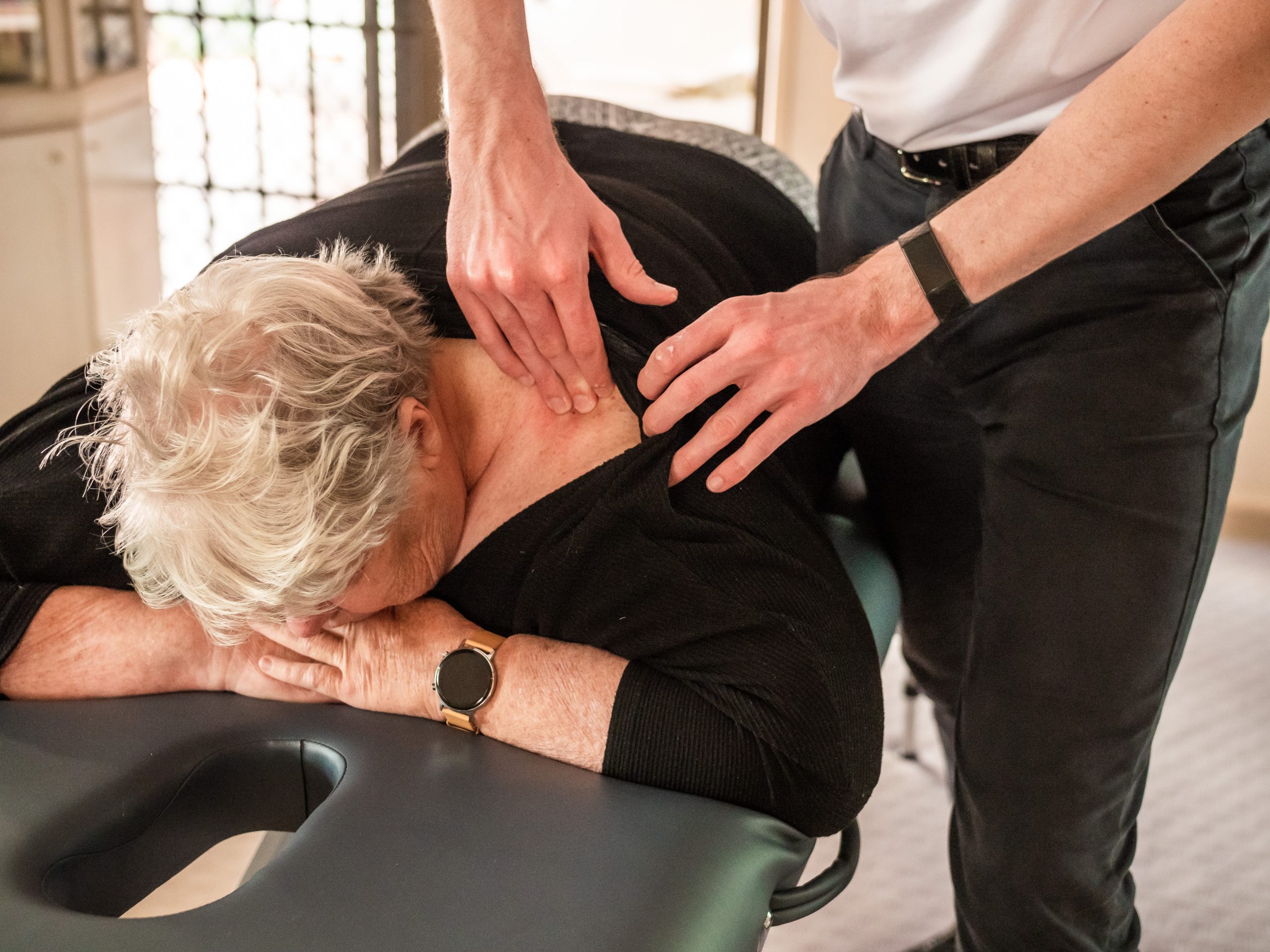
근골격계 문제로 인한 통증은 기껏해야 잔소리일 수 있고, 최악의 경우 완전히 쇠약해질 수 있습니다. 이는 일상 생활에 큰 영향을 미치고 삶의 질을 크게 떨어뜨릴 수 있습니다. 또한 신체적 또는 정서적 긴장이나 스트레스가 있는 경우 이는 증상을 악화시키고 통증, 고통 및 불편함에 기여할 수 있습니다. 증상을 치료하고 불편함을 줄이는 한 가지 방법은 딥 티슈 마사지를 받는 것입니다.
시드니 클리닉에서 딥 티슈 마사지 치료사는 보통 근육과 결합 조직, 인대와 힘줄에 강한 압력을 가합니다. 이는 깊은 긴장을 풀어주고 따라서 통증과 불편함을 줄이거나 제거하는 데 도움이 될 수 있습니다.
이러한 형태의 인천오피 는 목 통증, 어깨 뻣뻣함, 상체와 하체 등, 엉덩이와 다리의 근육 긴장 등 다양한 증상에 매우 효과적입니다.
딥 티슈 마사지의 이점:
통증과 고통의 감소
근육의 긴장을 풀어주는 것은 통증을 줄일 수 있는 주요 이유 중 하나입니다. 또한 혈류를 자극함으로써 신선한 영양소가 해당 부위로 유입되고 대사성 폐기물이 제거됩니다. 이 역시 통증을 줄이는 데 도움이 됩니다. 관절의 정상적인 움직임을 회복하는 것도 통증을 줄이는 데 도움이 됩니다.
부상에서 회복하다
근육 부상이 있는 경우 심부 조직 마사지는 확실히 치료에 역할을 할 수 있습니다. 조심스럽게 압력을 가하고, 관절을 움직이고, 연조직이 치유되도록 격려하는 것이 치료의 효과가 될 수 있습니다. 부상이 오래되었고 흉터 조직이 있는 경우 이 요법은 흉터 조직을 분해하는 데 도움이 될 수 있으며 해당 부위가 정상적인 기능으로 돌아가는 데 도움이 될 수 있습니다.
자세 근육 경직
근육 경직과 긴장은 잘못된 자세와 매우 흔히 연관됩니다. 이 경직이 지속되고 만성화되면, 감소된 운동성과 통증 또는 관련된 불편함이 삶의 질과 즐거움 수준에 엄청난 영향을 미칠 수 있습니다. 따라서 이러한 유형의 문제를 해결하는 데 도움이 되는 치료를 고려하고 더 나은 정렬된 자세의 자유를 즐기세요.
골관절염 통증 감소
골관절염으로 인한 통증은 적어도 큰 불편함을 유발할 수 있습니다. 이종 의학에서 이는 실제 치료법이 없는 상태로 간주되지만, 이 상태에 사용되는 많은 약물이 다양한 의학 시스템에서 사용됩니다. 치료 요법의 일부에는 관절 이동성을 유지하고 통증을 줄이는 데 도움이 될 수 있는 정기적인 마사지 요법이 포함될 수 있습니다.
좌골신경통 완화
좌골신경의 문제는 통증을 유발하고 따끔거림과 무감각을 유발할 수 있습니다. 좌골신경의 자극이나 압박은 상당한 통증과 신경학적 증상을 유발할 수 있습니다. 심각한 좌골신경통은 쇠약하게 만듭니다. Newtown Clinic의 심부 조직 마사지는 이 상태에서 회복하는 데 도움이 될 수 있습니다. 통증과 염증을 줄이고 근본 원인을 치료하는 데 도움이 되는 다른 치료적 조치도 사용될 가능성이 큽니다.
손목터널증후군 통증
손목의 신경 압박은 심한 통증과 무감각을 유발할 수 있습니다. 치료사는 손바닥과 손가락을 사용하여 조직을 조작하여 신경의 압력을 완화하여 통증을 줄이는 데 도움을 줍니다. 이러한 유형의 마사지는 또한 손목의 이동성을 향상시키는 데 도움이 됩니다.
딥 티슈 마사지 – 절차
이제 어떻게 하는지 살펴보겠습니다. 일반적으로 근육을 준비하고 혈류를 증가시키고 표면 장력을 해소하기 위해 가벼운 압력을 가합니다. 준비가 완료되면 치료사는 다음 단계로 넘어가 팔뚝, 엄지손가락, 팔꿈치, 관절을 사용하여 영향을 받은 부위에 더 깊은 압력을 가합니다. 이 방법을 스트리핑이라고 합니다.
그러나 마찰법에서는 조직 섬유를 "재정렬"하거나 "재균형"을 맞추기 위해 압력을 가해 스트레스와 긴장을 해소하고 혈류가 최적화되도록 합니다.
이 과정이 고통스러운가요?
시드니 클리닉의 딥 티슈 마사지 치료사는 고도로 훈련되어 있으며 귀하의 치료는 안전할 것입니다. 그러나 때때로 그가 치료하는 영향을 받는 부위에 약간의 통증이나 불편함을 느낄 수 있습니다. 이 통증은 흉터 조직을 '분해'하는 데 도움이 되는 것과 같은 몇 가지 원인 때문일 수 있습니다. 실제 압력 자체는 통증 수용체가 자극되어 때때로 불편하게 느껴질 수 있습니다. 그러나 언제든지 통증을 느낄 경우 치료사에게 알리면 그에 따라 조정해 드립니다. 좋은 치료에 통증이 필요하다는 오해가 있습니다. 때로는 이것이 한 잔까지 사실이지만 효과적인 기술과 근골격계에 대한 임상 지식이 더 중요합니다.

The Ontogenesis Legalization Of Cannabis: Impacts On Health, High Society, And The EconomyThe Ontogenesis Legalization Of Cannabis: Impacts On Health, High Society, And The Economy

Cannabis has been a polemical submit for centuries, often debated in the context of use of its wellness effects, effectual status, and social group implications. In Recent epoch geezerhood, however, marihuana has gained inflated attention due to the ontogenesis movement for its legalization across the globe. What was once seen as a hazardous, illegitimate content has step by step transformed into a extremely regulated industry with potentiality for healthful, unpaid, and economic benefits. The shift populace perception and the gradual transfer toward legitimation upraise several indispensable questions about its long-term affect on individuals and communities.

One of the most notable consequences of marijuana legitimation has been its potency therapeutic benefits. Medical ganja is now wide used to treat a variety show of ailments, including chronic pain, nausea, and the symptoms associated with conditions like quaternate sclerosis, , and malignant neoplastic disease. Research into the healthful properties of ganja is still in its early stages, but early findings propose that cannabinoids mdash;chemical compounds establish in the cannabis set mdash;can provide succour for certain conditions where orthodox medications may fall short-circuit. This has led many to recommend for more widespread legalization, both for medical exam purposes and as a means to reduce dependency on opioid-based pain direction, which has contributed to the current opioid crisis.

Beyond its medical uses, marihuana legalization has also spurred significant changes in the unpaid market. In regions where ganja has been legalized, such as several states in the U.S. and countries like Canada, marihuana using up has become more mainstream. With this transfer has come accrued revenue and regulation, providing governments with new sources of revenue. In fact, the marihuana manufacture has become one of the fastest-growing sectors in the economy, generating billions of dollars in yearly gross sales, creating thousands of jobs, and contributing to topical anaestheti economies. The legalisation of ganja has thus sparked a new era of worldly opportunity, albeit one that continues to be intimately monitored to see to it that world safety and regulations are maintained.

However, the full implications of marihuana legalization are not entirely positive, and there are prodigious challenges to turn to. Some studies suggest that marihuana use can have negative effects on unhealthy wellness, particularly among adolescents and young adults. Heavy use has been associated with inflated risks of anxiety, slump, and psychosis, especially in individuals with a genetic predisposition to mental health disorders. Furthermore, concerns have been raised about the potency for marihuana to become a gateway to other substances, although prove for this take remains integrated. As ganja use becomes more normalized, it is material that breeding and bar programs keep pace, ensuring that individuals are familiar about the risks associated with abuse and that world health campaigns address potential harms in effect.

The impact of ganja legalization also extends to the felon justice system. The decriminalization of cannabis offenses has led to a worsen in marijuana-related arrests, which stilted marginalized communities. Legalization has, in many cases, helped reduce group disparities in arrests and convictions, which is a considerable step toward social justice see the light. However, challenges continue, particularly as the sound marijuana commercialise can still be uncontrollable to navigate, especially for modest-scale or minority-owned businesses.

As the ganja landscape painting continues to develop, it is requisite to strike a poise between promoting its benefits, addressing its risks, and ensuring that the social, worldly, and wellness-related consequences are carefully managed. Whether marihuana will prove to be a transformative squeeze for good or a -edged steel cadaver to be seen, but one matter is : the current debate around dab pen legitimation is reshaping the way societies set about drug insurance and populace health, paving the way for a new chapter in the family relationship between drugs and bon ton.