Islasan Marcos Health & Fitness L’Importanza della Cura Dentale nella Vita Quotidiana e il Suo Ruolo Essenziale nel Mantenimento della Salute Generale e del Benessere a Lungo Termine

L’Importanza della Cura Dentale nella Vita Quotidiana e il Suo Ruolo Essenziale nel Mantenimento della Salute Generale e del Benessere a Lungo Termine


La cura dentale rappresenta uno degli aspetti fondamentali della salute personale, spesso sottovalutato fino a quando non compaiono problemi come carie, gengiviti o dolore ai denti. Avere una buona igiene orale non significa soltanto mantenere un sorriso esteticamente piacevole, ma anche preservare la funzionalità della bocca, che è essenziale per attività quotidiane come mangiare, parlare e socializzare con sicurezza. Una corretta routine di igiene orale, se seguita con costanza, può prevenire la maggior parte delle patologie dentali e contribuire in modo significativo al benessere generale dell’organismo.

Uno degli elementi principali della cura dentale è la pulizia quotidiana dei denti. Spazzolare i clinica dentale in Albania almeno due volte al giorno con un dentifricio contenente fluoro aiuta a rimuovere la placca batterica, una sostanza appiccicosa che si forma continuamente sulla superficie dentale. Se non rimossa, la placca può indurirsi e trasformarsi in tartaro, aumentando il rischio di carie e malattie gengivali. Anche l’uso del filo interdentale è fondamentale, poiché consente di pulire gli spazi tra i denti dove lo spazzolino non riesce ad arrivare. Queste semplici abitudini quotidiane sono la base per una bocca sana e resistente nel tempo.

L’alimentazione gioca un ruolo altrettanto importante nella salute orale. Il consumo eccessivo di zuccheri e bevande zuccherate favorisce la proliferazione dei batteri responsabili della formazione delle carie. Al contrario, una dieta equilibrata ricca di frutta, verdura, latticini e acqua contribuisce a rafforzare denti e gengive. Nutrienti come calcio, fosforo e vitamina D sono particolarmente utili per mantenere lo smalto dentale forte e resistente. Bere acqua regolarmente aiuta inoltre a mantenere la bocca idratata e a eliminare i residui di cibo.

Le visite regolari dal dentista sono un altro pilastro fondamentale della cura dentale. Controlli periodici permettono di individuare tempestivamente eventuali problemi e intervenire prima che diventino più gravi e costosi da trattare. La pulizia professionale eseguita dal dentista o dall’igienista dentale rimuove il tartaro accumulato e contribuisce a mantenere gengive sane. Inoltre, il dentista può fornire consigli personalizzati per migliorare la routine di igiene orale e prevenire disturbi futuri.

La salute orale è strettamente collegata alla salute generale del corpo. Numerosi studi hanno dimostrato che infezioni e infiammazioni della bocca possono essere associate a malattie cardiovascolari, diabete e altre condizioni sistemiche. Questo significa che trascurare la cura dei denti non influisce solo sul cavo orale, ma può avere conseguenze sull’intero organismo. Per questo motivo, mantenere una buona igiene orale è una forma importante di prevenzione sanitaria globale.

In conclusione, la cura dentale è un elemento essenziale per vivere in salute e con maggiore sicurezza. Adottare buone abitudini quotidiane, seguire una dieta equilibrata e sottoporsi a controlli regolari dal dentista sono pratiche semplici ma estremamente efficaci. Investire nella salute dei propri denti significa investire nella qualità della propria vita, garantendo un sorriso sano e una migliore condizione di benessere generale nel lungo periodo.

Leave a Reply

Your email address will not be published. Required fields are marked *

Related Post

Revolutionizing Recovery Navigating the Challenges of Chest Wall InfectionRevolutionizing Recovery Navigating the Challenges of Chest Wall Infection

Introduction: A Painful Reality

Imagine waking up one morning with a heaviness in your chest, the sharp pangs reminding you of your last visit to a health facility. Some statistics suggest that over 15% of patients experience complications related to an infection in chest wall, and that’s no small number! It’s a startling situation that leaves many wondering how they can find real answers. The chest wall, essential for protecting vital organs, can sometimes fall victim to insidious infections, resulting in pain and a significant impact on daily living. As frustrating as this might be, understanding the deeper issues at play is crucial for finding effective solutions. Let’s peel back the layers and uncover what is really going on.

The Traditional Approach: Flaws That Heighten Pain Points

When it comes to tackling an infection in the chest wall, traditional solutions—think straightforward treatments and immediate hospital visits—often leave much to be desired. Sure, they may provide quick relief, but what about the recovery journey that follows? Many patients find that aftercare lacks the thoroughness needed, leading to persistent issues. It’s common to run into incomplete assessments or insufficient follow-up care (especially concerning complex cases). And here’s the kicker—these flaws don’t just complicate recovery; they can lead to a cycle where the infection reemerges, leaving individuals feeling helpless. Look, it’s simpler than you think; recognizing these flaws can shift perspectives towards better care outcomes.

What Lies Beneath the Surface?

Did you know that chest wall infection symptoms can masquerade as something else entirely? For instance, the fatigue associated with respiratory conditions can sometimes overshadow underlying infections. This means many people wait too long before seeking help, exacerbating their situation. Additionally, patients may feel pressured to conform to a one-size-fits-all treatment route, which often ignores their unique recovery needs. Addressing these hidden pain points is vital to streamline the recovery experience.

Looking Ahead: Innovative Techniques for Better Outcomes

As we shift our gaze forward, new technology principles in healthcare are setting the stage for transformative solutions to chest wall infections. Imagine a world where tailored treatment plans recognize individual symptoms, leveraging data analytics and advanced imaging techniques. We’re already seeing whispers of such advancements, with solutions that not only address immediate issues but also pave the way for holistic long-term recovery. Consider the potential of telemedicine, which can enhance ongoing monitoring— reducing the chances of infection recurrence. Combining such innovations with conventional treatment has the capacity to change the game entirely!

Real-World Impact: How Change Is Coming

This is where we anticipate seeing significant shifts. Case studies show that personalized recovery protocols, enhanced by AI-driven analysis of chest wall infection symptoms, could mean faster, more reliable healing processes. Patients could receive real-time feedback on their symptoms, adjusting their treatment without needing endless trips to healthcare facilities. The potential for remote consultations is exciting! These shifts in treatment paradigms can empower patients in their healing journey, offering them agency that was often stripped away by traditional models.

Conclusion: A New Approach for a Better Tomorrow

So, what have we learned through this exploration? The landscape of treating chest wall infections is evolving, and as we move forward, embracing technology and personalized care emerges as essential strategies. By focusing on thorough assessments and innovative solutions, patients may experience not only relief from their symptoms but also a more supportive recovery journey. For anyone facing these challenges, remember that the future looks promising—the integration of smart practices could yield measurable improvements in outcomes. So, keep an eye on upcoming treatments and resources, and consider the insights shared here as you navigate this journey. For further insights, check out ICWS.

How To Store Cannabis For Maximum NoveltyHow To Store Cannabis For Maximum Novelty

Cannabis is more than just a product it s an experience. The scen, flavor, potency, and effects of your dispensary cannabis are all influenced by how well it s stored. Unfortunately, even insurance premium strains can lose their thaumaturgy if not handled right. Whether you re a experient partizan or a new patient, learnedness how to salt away ganja correctly is necessary to protective its freshness, potential, and overall timbre.

Here s a steer to retention your marihuana at its best, every one time.

1. Keep It Cool, But Not Col

d

Temperature is one of the most critical factors in maintaining marihuana freshness. High temperatures can dry out the buds, put down cannabinoids like THC, and decrease season. Ideally, your marijuana should be stored in a cool, dark point around 60-70 F(15-21 C).

Avoid the icebox and freezer unless you are storing extracts or concentrates. Freezing flower can cause trichomes the rosin glands that carry cannabinoids and terpenes to become toffee and break off off. This not only reduces potentiality but also alters the texture and smell of your marihuana.

2. Control Humidity for Perfect Buds

Humidity is just as probative as temperature. Too much moisture can advance mold growth, while too little can dry out your buds, making them unpleasant and less flavorful.

The paragon relation humidity(RH) for storing marijuana is between 55 and 62. You can achieve this using humidness verify packs, which help exert a homogenous interior your depot . Proper humidity not only preserves the taste and odor but also keeps the trichomes intact, ensuring level bes potential.

3. Use the Right Containers

Your choice of container can make or break the novelty of your marijuana. Air-tight glaze over jars are the gold standard because they prevent to oxygen, which can take down cannabinoids over time.

Avoid pliant bags or containers for long-term storage. Plastic can return static, which may pull trichomes from your buds, reduction potency. Additionally, light-colored glaze over or clear containers allow UV get off in, which can damage your cannabis. Stick to dark amber or unintelligible jars for long-term storehouse to protect against unhorse .

4. Limit Exposure to Oxygen

Oxygen is a John Major of cannabis novelty. Over time, O can cause THC to put down into CBN, which may make the buds feel less virile or even somewhat sedative.

Every time you open your jar, atomic number 8 interacts with your cannabis, so it s best to understate frequent possibility. Consider nonbearing your cache into littler jars if you have a large provide. This way, you only give away a portion at a time, holding the rest sealed and freshly.

5. Protect From Light

Light, particularly UV rays, can break apart down cannabinoids and terpenes in marijuana, leading to a loss of potential and odour. That s why storing marijuana in dark jars or cabinets is material.

Keep your containers in a closet, drawer, or sacred cannabis storage box. If you must lay in in a glass over jar, select one with a dark tint or direct it inside a dismount-proof bag or to stuff sunlight.

6. Avoid Strong Odors and Cross-Contamination

Cannabis is extremely absorbent material and can pick up external odors if stored improperly. Keep it away from spices, perfumes, and other strong-smelling products. Not only does this affect the flavour and scen, but it can also compromise your overall see.

Similarly, keep off storing different strains together. Each stress has a unusual terpene profile, and intermixture them can muddle the flavor and odour of each hatful.

7. Consider Specialty Storage Options

For serious ganja connoisseurs, there are high-tech storage solutions that optimize freshness. Humidors premeditated specifically for glitter bomb strain can gover both humidity and temperature. Some hi-tech options even come with vacuum-sealing and odor-proof engineering science to maximise ledge life.

For modest, mundane use, simply investing in air-tight glaze jars and humidity packs will go a long way. These tools are tuppeny and effective at protective both the flavour and potential of your buds.

8. Know Your Shelf Life

Even with perfect storehouse, marijuana is not divinity. Flower is best used up within 6-12 months of buy out for best personal effects, while decently stored concentrates and edibles can last thirster. Keeping an eye on novelty and rotating your sprout ensures every puff or bite is as tasty and potent as the day you bought it.

Final Thoughts

Storing dispensary marihuana in good order is not just about holding it good enough. It s about maintaining its wholeness, aroma, flavor, and cure effects. A few simple stairs cool, dark depot, humidness control, air-tight containers, and nominal to unhorse and atomic number 8 can dramatically improve your undergo.

Treat your marihuana with care, and it will reward you with the rich, flavoursome, and virile undergo you merit. After all, of import marihuana deserves outstanding storehouse.

Revolutionizing Beauty: How Medical Beauty is Changing the Aesthetic LandscapeRevolutionizing Beauty: How Medical Beauty is Changing the Aesthetic Landscape

In the modern age, beauty has evolved beyond the traditional world of makeup and skincare products. Today, an increasing number of individuals are turning to medical beauty—a dynamic fusion of science and aesthetics that offers effective, non-surgical solutions for enhancing one's appearance. Combining clinical expertise with advanced technology, medical beauty provides a wide range of non-invasive treatments designed to address skin imperfections, reduce the visible signs of aging, and rejuvenate the body.

This growing sector of the beauty industry is making it easier for people to achieve their desired appearance without the need for traditional, invasive surgery. From Botox to body contouring treatments, medical beauty is proving that looking and feeling your best doesn’t always require going under the knife. In this article, we’ll take a closer look at the world of medical beauty, its increasing popularity, and the most sought-after treatments in this rapidly growing field.

What is Medical Beauty?

At its core, medical beauty refers to a variety of cosmetic treatments that combine medical knowledge with aesthetic enhancement. These treatments typically focus on non-surgical and minimally invasive procedures that provide lasting, noticeable results. Unlike traditional beauty treatments that focus on topical products, medical beauty procedures delve deeper into the layers of the skin, muscles, or fat to provide more substantial and longer-lasting improvements.

The growing appeal of medical beauty lies in the fact that it combines the science of medicine with the art of beauty, all while minimizing the risks and recovery time associated with traditional surgeries. These treatments are often performed by qualified medical professionals, such as dermatologists, cosmetic surgeons, or licensed aestheticians, ensuring that each procedure is safe and effective.

Why Medical Beauty is Gaining Popularity

The popularity of medical beauty can be attributed to several key factors, each contributing to a surge in demand:

1. Quick Results with Minimal Downtime

One of the most attractive aspects of medical beauty is its ability to provide immediate and visible results. Many procedures, such as Botox injections or dermal fillers, deliver noticeable changes almost instantly, with minimal downtime. This is especially appealing for individuals with busy lives who cannot afford the extended recovery periods associated with traditional cosmetic surgeries.

The rapid recovery and effectiveness of these treatments allow people to address their beauty concerns without significant interruption to their daily routines.

2. Subtle, Natural Enhancements

Unlike the drastic transformations often seen with cosmetic surgery, medical beauty focuses on achieving subtle, natural-looking enhancements. Treatments like Botox and dermal fillers are designed to enhance a person’s natural beauty, providing a youthful, refreshed look without altering one’s unique features. This approach is particularly appealing to individuals who want to look younger but don’t want to appear “overdone.”

The goal is often to maintain a natural balance, enhancing features like the jawline, cheeks, or lips while still preserving an individual’s overall appearance.

3. Affordability and Accessibility

Medical beauty treatments offer a more affordable and accessible option for individuals who may not be able to invest in more invasive cosmetic surgery. While the cost of each procedure can vary, non-surgical treatments are typically less expensive than full surgeries. Additionally, with more clinics and medical spas offering these services, medical beauty is becoming available to a broader range of people.

For those seeking non-invasive solutions without the high price tag of surgery, medical beauty offers a cost-effective alternative.

4. Advancements in Technology

As medical technology continues to evolve, new, innovative treatments are continuously emerging in the field of medical beauty. From lasers to injectables, modern treatments utilize cutting-edge equipment to achieve superior results. With these technological advancements, procedures have become more precise, safe, and effective.

Many of these treatments are backed by rigorous scientific research, ensuring that patients receive the best possible outcomes with minimal risk.

Popular Medical Beauty Treatments

Medical beauty encompasses a wide array of procedures, each designed to target specific aesthetic concerns. Below are some of the most popular and sought-after treatments in the industry today:

1. Botox and Other Neuromodulators

Botox is perhaps the most well-known treatment in the world of medical beauty. It works by temporarily relaxing the muscles responsible for creating wrinkles, particularly around the eyes, forehead, and mouth. Botox is commonly used to treat crow’s feet, frown lines, and forehead wrinkles, offering patients a smoother, younger-looking complexion.

Other neuromodulators such as Dysport, Xeomin, and Jeuveau are similar to Botox and work in much the same way, but they may vary in their formulation and longevity. These treatments offer a safe, non-invasive solution for reducing the appearance of fine lines and wrinkles.

2. Dermal Fillers

Dermal fillers are injectable substances used to restore volume and smoothness to areas of the face that have experienced volume loss due to aging. They are most commonly used in the cheeks, lips, under-eye area, and jawline. Fillers can help smooth deep wrinkles, plump thin lips, and add definition to the face.

The most common dermal fillers include hyaluronic acid-based options like Juvederm and Restylane, which are favored for their ability to add natural-looking volume and moisture. The results from dermal fillers are typically visible immediately and can last from six months to two years, depending on the type of filler used.

3. Laser Skin Resurfacing

Laser skin resurfacing is an advanced treatment that uses focused laser beams to improve skin texture, tone, and appearance. It targets issues such as sun damage, fine lines, wrinkles, and scarring. Laser resurfacing works by removing the outer layers of the skin and stimulating collagen production, which results in smoother, firmer skin.

Popular types of laser treatments include CO2 lasers and fractional lasers, which can penetrate the skin at different depths depending on the severity of the skin concern. Patients can expect smoother, healthier skin after a few sessions, with results lasting up to a year or more.

4. Chemical Peels

Chemical peels use a chemical solution to exfoliate the skin, helping to remove dead skin cells and promote new skin growth. This treatment is commonly used to treat acne scars, sun damage, uneven pigmentation, and fine lines. Depending on the strength of the chemical solution, chemical peels can be superficial, medium-depth, or deep.

Superficial peels are ideal for mild skin concerns, while deep peels can be used to address more severe issues like scarring or wrinkles. The healing process for deeper peels may take a bit longer, but the results are often more dramatic.

5. CoolSculpting (Fat Freezing)

CoolSculpting is a non-invasive fat reduction treatment that targets stubborn fat cells by freezing them. The process, known as cryolipolysis, freezes fat cells in areas like the abdomen, flanks, or thighs. These frozen fat cells are then naturally eliminated by the body over a few months.

CoolSculpting is ideal for individuals who have localized fat pockets that don’t respond well to diet or exercise. The treatment is non-invasive, requires no recovery time, and results in a noticeable reduction in fat after several sessions.

6. Microneedling

Microneedling, also called collagen induction therapy, involves using tiny needles to create micro-injuries in the skin. This process stimulates the skin’s natural healing response, promoting collagen and elastin production. As a result, microneedling helps to improve the appearance of fine lines, wrinkles, scarring, and uneven skin texture.

For enhanced results, microneedling is often combined with Platelet-Rich Plasma (PRP), which involves using the patient’s own blood to promote healing and rejuvenation. The combination of microneedling and PRP is often referred to as the Vampire Facial.

The Benefits of Medical Beauty

Medical beauty offers several distinct advantages that make it a popular choice for many:

2. Subtle, Natural Enhancements

0

One of the most significant benefits of medical beauty is its minimized risk and quick recovery time. Non-invasive procedures like Botox and dermal fillers are generally safe, with little to no downtime required. Most individuals can resume their normal activities immediately after treatment.

2. Subtle, Natural Enhancements

1

Many medical beauty treatments, such as dermal fillers and laser resurfacing, provide results that last for several months or even years, making them an effective long-term solution for those seeking to maintain their youthful appearance.

2. Subtle, Natural Enhancements

2

Medical beauty treatments are highly customizable to meet the unique needs of each patient. Practitioners assess the individual’s skin type, concerns, and goals to create a tailored treatment plan that delivers optimal results.

Conclusion

Medical beauty represents a growing trend that blends the latest in medical science with the art of beauty. By offering effective, non-invasive treatments, it provides a way for individuals to enhance their appearance, feel more confident, and address common beauty concerns without the need for surgery. As the demand for these treatments continues to rise, medical beauty is poised to become a lasting and integral part of the 電波拉皮 industry. Whether it’s for anti-aging, body contouring, or skin rejuvenation, medical beauty is changing the way we approach beauty and self-care—one non-invasive treatment at a time.

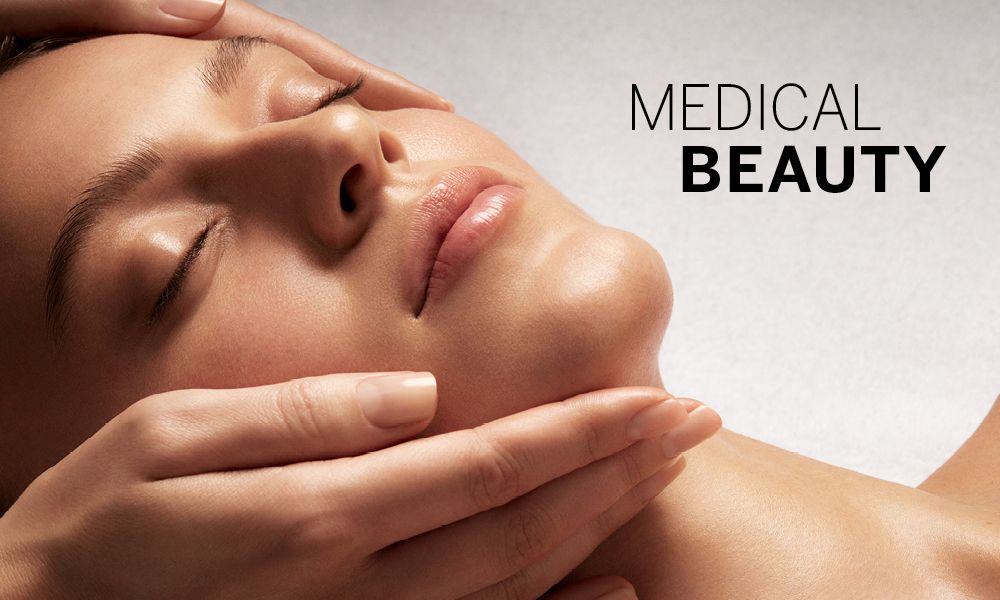
Medical Beauty: The Intersection of Science and AestheticsMedical Beauty: The Intersection of Science and Aesthetics

The world of beauty is evolving rapidly, with an increasing number of individuals turning to medical beauty to enhance their appearance. Gone are the days when cosmetic surgery was the only option for those seeking to reverse the signs of aging or improve their appearance. Now, thanks to advancements in medical technology, a growing number of non-invasive and minimally invasive treatments are available to help individuals look and feel their best. This phenomenon, known as medical beauty, has become a cornerstone of the wellness and beauty industries, offering innovative solutions that are both effective and accessible.

In this article, we’ll explore what medical beauty is, how it has transformed the aesthetic landscape, the most popular treatments, and the key benefits driving its rising popularity.

What Is Medical Beauty?

Medical beauty, or aesthetic medicine, combines the precision and expertise of medical professionals with the art of cosmetic enhancement. It refers to a range of non-surgical treatments designed to improve or enhance a person’s appearance by addressing concerns such as wrinkles, skin texture, volume loss, body shape, and even hair loss. The key difference between medical beauty and traditional beauty treatments (such as facials or makeup) is the use of advanced technology and medical-grade products, often administered by dermatologists, cosmetic surgeons, or other trained specialists.

This type of beauty treatment is typically less invasive than traditional cosmetic surgery, making it an appealing choice for those looking for a more affordable, safer, and less risky way to enhance their appearance. The procedures are often quick, with little to no downtime, and offer natural-looking results that don’t drastically alter a person’s features.

The Popularity of Medical Beauty

Medical beauty treatments have gained immense popularity for several reasons. This surge in interest can be attributed to the growing desire for self-care, technological advancements, and a shift toward more natural-looking results. Here’s why so many individuals are choosing medical beauty treatments over traditional options:

1. Non-Invasive Solutions

Medical beauty procedures are designed to be non-invasive or minimally invasive, meaning that individuals don’t have to undergo the risks, recovery times, and scars associated with traditional cosmetic surgery. For instance, Botox injections or dermal fillers can be performed in under an hour with no downtime, allowing patients to return to their regular activities right away.

2. Natural-Looking Results

One of the primary goals of medical beauty is to provide results that enhance natural features rather than create an artificial or "overdone" appearance. Procedures like Botox, dermal fillers, and laser treatments work to improve skin tone, texture, and facial volume in subtle ways, leading to a more youthful and refreshed look.

3. Personalized Treatment Plans

Every individual is unique, and so are their aesthetic goals. Medical beauty professionals often create tailored treatment plans based on each person's specific needs and concerns. This personalized approach ensures that the results are not only effective but also align with the client’s preferences and facial structure.

4. Long-Lasting Effects

While traditional beauty treatments like facials or makeup offer temporary effects, many medical beauty procedures provide long-lasting results. For example, Botox injections can last 3-6 months, while dermal fillers can offer improvements for up to 18 months. Non-surgical fat reduction treatments can result in permanent fat loss when combined with a healthy lifestyle.

Common Medical Beauty Treatments

There are a variety of procedures within the medical beauty realm, each targeting different aesthetic concerns. Some of the most popular treatments include:

1. Botox and Neurotoxin Injections

Botox is a neuromodulator that temporarily paralyzes the muscles responsible for creating wrinkles. It is most commonly used to smooth out fine lines on the forehead, around the eyes (crow's feet), and between the eyebrows (frown lines). Botox works by blocking signals from the nerves to the muscles, preventing them from contracting and forming wrinkles. Results typically last for 3-6 months.

Other neuromodulators, such as Dysport, Xeomin, and Jeuveau, work similarly to Botox and are used to reduce wrinkles and fine lines in targeted areas.

2. Dermal Fillers

Dermal fillers are injectable treatments that restore volume to the face and smooth out wrinkles. As we age, our skin loses collagen and fat, which can lead to sagging or hollowed areas on the face. Fillers such as hyaluronic acid (Restylane, Juvederm) or calcium hydroxylapatite (Radiesse) can be used to plump the cheeks, fill under-eye hollows, enhance lip volume, and soften nasolabial folds (the lines running from the nose to the corners of the mouth).

The results from dermal fillers are immediate and can last anywhere from six months to two years, depending on the type of filler used.

3. Laser Skin Treatments

Laser treatments have become one of the most versatile tools in the medical beauty arsenal. They can address a variety of skin concerns, including wrinkles, pigmentation issues, acne scars, and sun damage. Popular laser treatments include:

  • Fractional Laser Resurfacing: This treatment creates microscopic channels in the skin to stimulate collagen production and reduce wrinkles, scars, and pigmentation.
  • Laser Hair Removal: An efficient solution for permanent hair reduction, laser hair removal targets hair follicles, preventing future hair growth.
  • Intense Pulsed Light (IPL): This non-laser light treatment is used to target sun spots, acne, and redness, giving skin a clearer, more even tone.

4. Chemical Peels

Chemical peels involve the application of a chemical solution to the skin, which exfoliates the outermost layers of the skin, promoting cell turnover. Depending on the strength of the peel, it can be used to treat a range of skin concerns, from mild acne to severe sun damage or hyperpigmentation. Superficial peels have little downtime, while deeper peels may require more recovery time.

5. Microneedling

Microneedling is a procedure that uses tiny needles to create controlled micro-injuries in the skin. This stimulates collagen and elastin production, leading to smoother, firmer skin. Microneedling can be used to improve the appearance of fine lines, acne scars, stretch marks, and overall skin texture. For enhanced results, it can be combined with platelet-rich plasma (PRP), which uses your own blood to boost collagen and skin regeneration.

6. Non-Surgical Body Contouring

Non-invasive fat reduction treatments such as CoolSculpting and SculpSure have revolutionized body contouring. These treatments use controlled cooling or heat to target and destroy fat cells, which are then naturally eliminated by the body over time. These treatments are perfect for individuals who struggle with stubborn fat pockets in areas such as the abdomen, thighs, or flanks.

Benefits of Medical Beauty

The rise of medical beauty can be attributed to the numerous benefits it offers:

1. Less Risk, More Reward

Medical beauty treatments are significantly less invasive than traditional cosmetic surgery, meaning there’s less risk involved. When performed by a licensed and trained professional, the risks are minimal, and the results are often more natural-looking.

2. Quick Results and Minimal Downtime

Many medical beauty procedures take little time and have minimal downtime. For instance, a Botox treatment can be completed in under 30 minutes, and clients can return to their regular activities right after. Laser treatments and chemical peels might require a few days of recovery, but they still involve far less downtime than surgery.

3. Long-Term Results

Many non-invasive medical beauty treatments offer long-lasting results, which makes them more cost-effective over time. While the effects aren’t permanent, they can last for months to years, depending on the procedure.

4. Improved Confidence

The ultimate goal of thermage flx is to help individuals feel better about themselves. Whether it's smoothing out wrinkles, restoring volume to the face, or sculpting the body, medical beauty offers a path to enhance self-esteem and confidence.

The Future of Medical Beauty

As technology advances, the field of medical beauty will continue to grow. From more precise laser treatments to the development of personalized skincare solutions using AI, the future of medical beauty holds exciting possibilities. There is also an increasing trend towards holistic approaches that incorporate both external treatments and internal wellness, such as nutrition and stress management, to achieve the best aesthetic results.

Conclusion

Medical beauty is changing the way we think about aesthetics, offering innovative solutions that combine science, technology, and artistry to help people feel their best. Whether it’s wrinkle reduction, skin rejuvenation, or body contouring, medical beauty procedures provide a safe, effective, and minimally invasive way to achieve natural-looking, lasting results. As the demand for non-surgical aesthetic treatments continues to rise, medical beauty will remain at the forefront of the beauty and wellness industries, helping people enhance their natural beauty with precision and care.