Islasan Marcos Health & Fitness Medicinal Dru Error How To Keep Yourself From Unfavourable Drug Personal Effects

Medicinal Dru Error How To Keep Yourself From Unfavourable Drug Personal Effects

It 39;s a very commons scene in our homes that whenever we get ill, we always try to find a simple and easy type of solution for that unwellness by our bedside of drugs. If we take an example like when we came back from our work, and it was a pretty feverish day and the warm brave out, we usually get a head ache, and we try to find a root of it in a Diclofenac anodyne. But we don 39;t even know that it has sessile with a lot of side effects(stomach pain, looseness of the bowels, sickness etc).

Medication Error is the Second highest in damage of medical wrongdoing occurrences. One of the studies proves that the 5 of all the hospital admissions are due to an unfavorable drug set up(ADR) and it is the 5th commons cause of infirmary deaths, these health chec malpractice medication errors caused 197,000 deaths per year in only European countries.

Before going into the main arena of discussion which is, how can we be able to avoid the medicament errors and what are the prevention measures we can take for our health and refuge, we must have to know what are medicine errors, types of medicament errors and what are the most commons and contagious medication errors we face in our life.

Medication errors touch o to errors in processes of order, transcribing, dispensing, administering, or monitoring medications. Many medicine errors are thought process to have no or few consequences for the patient 39;s wellness but they might results in serious patient morbidity or fatality rate.

There are three big medicinal dru errors which led the affected role into a fateful and they are dispensing medicinal dru errors, administering medicinal dru errors and the prescription drug errors.

Dispensing Medication Error:

Dispensing errors pass at any present of the dispensing process, from the receipt of the prescription in the pharmaceutics to the cater of a dispensed medicine to the affected role. Dispensing errors go on at a rate of 1-24 and include survival of the fittest of the wrong strength or product. This occurs in the first place with drugs that have a synonymous name or appearance.

Approaches to reduce dispensing medicinal dru errors:

Ensuring a safe dispensing function. Separating drugs with a synonymous name or appearance. Keeping interruptions in the dispensing function to a minimum and maintaining the workload of the pill pusher at a safe and controllable tear down. Awareness of high risk drugs such as potassium chloride and cytotoxic agents. Introducing safe orderly procedures for dispensing medicines in the pharmaceutics.

Administration Medication Errors:

Administration errors happen when a variant occurs between the drug accepted by the affected role and the drug therapy well-intentioned by the prescriber. Medication presidential term errors mostly postulate errors of skip where the drug is not administered for a variety of reasons. Other types of errors admit an inaccurate presidency proficiency and the presidency of incorrect or expired preparations.

Approaches to tighten medicament presidential term errors:

Checking the patient 39;s personal identity. Ensuring that dosage calculations are checked independently by another wellness care professional before the drug is administered. Ensuring that the prescription medicine, drug, and affected role are in the same point in order that they may be curbed against one another. Ensuring the medication is given at the correct time. Minimizing interruptions during drug rounds.

Prescription Medication Errors:

Medical prescriptions are also very world-shaking, when we talk about Laboratory Online Medicines by Mailbox errors. Almost 70 medicine errors are born due to the prescription medicine errors.

Approaches to tighten prescription medication wrongdoing:

Tell your that, to keep off the use of abbreviations, the abbreviations have been establish to be particularly precarious because they have been systematically misunderstood. Prescription say should admit a brief note of resolve(for example, for cough up), this can further assure that the specific medicinal dru is distributed and creates an spear carrier refuge check in the work. All prescriptions made by doctors or physicians must mention the patients age and weight on the medication tell. The age and slant of a patient can help dispensing health care professionals in -check of the appropriate drug and dose. Medication orders must not admit indefinable instructions such as quot;Take as oriented quot; or quot;Take Use as needed quot; as the sole way of medicine use. Clear directions are necessary for the dispenser to: check the proper dose for the affected role and it also enables affected role direction probability. The medication say must include drug name, demand system of measurement slant, or and dose form. It helps the pill rolle to either the entropy is missing or confutable.

Concluding Remarks:

As we all know the notable formulation sentence that quot;Prevention is better than cure quot;, is really an epochal factor in when we are discussing issues like medicine errors. Medication errors are one of the most preventable causes of affected role injury. There are a add up of factors at each step of the patient care work that contribute to the high rate of medication errors in the health care industry. Special focus on should be given to the ethical drug and presidency phases of patient care due to the big total of errors half-tracked back to those stages of treatment.

Leave a Reply

Your email address will not be published. Required fields are marked *

Related Post

Revolutionizing Recovery Navigating the Challenges of Chest Wall InfectionRevolutionizing Recovery Navigating the Challenges of Chest Wall Infection

Introduction: A Painful Reality

Imagine waking up one morning with a heaviness in your chest, the sharp pangs reminding you of your last visit to a health facility. Some statistics suggest that over 15% of patients experience complications related to an infection in chest wall, and that’s no small number! It’s a startling situation that leaves many wondering how they can find real answers. The chest wall, essential for protecting vital organs, can sometimes fall victim to insidious infections, resulting in pain and a significant impact on daily living. As frustrating as this might be, understanding the deeper issues at play is crucial for finding effective solutions. Let’s peel back the layers and uncover what is really going on.

The Traditional Approach: Flaws That Heighten Pain Points

When it comes to tackling an infection in the chest wall, traditional solutions—think straightforward treatments and immediate hospital visits—often leave much to be desired. Sure, they may provide quick relief, but what about the recovery journey that follows? Many patients find that aftercare lacks the thoroughness needed, leading to persistent issues. It’s common to run into incomplete assessments or insufficient follow-up care (especially concerning complex cases). And here’s the kicker—these flaws don’t just complicate recovery; they can lead to a cycle where the infection reemerges, leaving individuals feeling helpless. Look, it’s simpler than you think; recognizing these flaws can shift perspectives towards better care outcomes.

What Lies Beneath the Surface?

Did you know that chest wall infection symptoms can masquerade as something else entirely? For instance, the fatigue associated with respiratory conditions can sometimes overshadow underlying infections. This means many people wait too long before seeking help, exacerbating their situation. Additionally, patients may feel pressured to conform to a one-size-fits-all treatment route, which often ignores their unique recovery needs. Addressing these hidden pain points is vital to streamline the recovery experience.

Looking Ahead: Innovative Techniques for Better Outcomes

As we shift our gaze forward, new technology principles in healthcare are setting the stage for transformative solutions to chest wall infections. Imagine a world where tailored treatment plans recognize individual symptoms, leveraging data analytics and advanced imaging techniques. We’re already seeing whispers of such advancements, with solutions that not only address immediate issues but also pave the way for holistic long-term recovery. Consider the potential of telemedicine, which can enhance ongoing monitoring— reducing the chances of infection recurrence. Combining such innovations with conventional treatment has the capacity to change the game entirely!

Real-World Impact: How Change Is Coming

This is where we anticipate seeing significant shifts. Case studies show that personalized recovery protocols, enhanced by AI-driven analysis of chest wall infection symptoms, could mean faster, more reliable healing processes. Patients could receive real-time feedback on their symptoms, adjusting their treatment without needing endless trips to healthcare facilities. The potential for remote consultations is exciting! These shifts in treatment paradigms can empower patients in their healing journey, offering them agency that was often stripped away by traditional models.

Conclusion: A New Approach for a Better Tomorrow

So, what have we learned through this exploration? The landscape of treating chest wall infections is evolving, and as we move forward, embracing technology and personalized care emerges as essential strategies. By focusing on thorough assessments and innovative solutions, patients may experience not only relief from their symptoms but also a more supportive recovery journey. For anyone facing these challenges, remember that the future looks promising—the integration of smart practices could yield measurable improvements in outcomes. So, keep an eye on upcoming treatments and resources, and consider the insights shared here as you navigate this journey. For further insights, check out ICWS.

EPO vs PPO Health Insurance Differences A Comprehensive Guide for 2024EPO vs PPO Health Insurance Differences A Comprehensive Guide for 2024

Understanding EPO and PPO Health Insurance Plans

Healthcare professionals discussing insurance options with patients, illustrating EPO and PPO health insurance plans.

Choosing the right health insurance plan is crucial for managing healthcare costs and ensuring access to necessary medical services. EPO vs PPO health insurance differences Among various options, Exclusive Provider Organization (EPO) and Preferred Provider Organization (PPO) plans are two popular choices, each offering distinct features tailored to different healthcare needs. This guide delves into the key differences between EPO vs PPO health insurance, helping you make an informed decision in 2024.

What Is an EPO Health Insurance Plan?

Definition and Core Features

An EPO plan is a type of managed care health insurance that requires members to use a network of healthcare providers for coverage. Unlike HMO plans, EPOs typically do not require referrals to see specialists, offering a degree of flexibility within the network. However, they do not cover any out-of-network services, making it essential for members to stay within the designated provider network.

Advantages of EPO Plans

  • Lower Premiums: EPOs often have lower monthly premiums compared to PPOs, making them an attractive option for budget-conscious individuals.
  • No Referral Requirement: Members can see specialists directly without needing a primary care physician’s referral, streamlining access to specialized care.
  • Predictable Costs: Since out-of-network care is typically not covered, members have predictable expenses when sticking to network providers.

Limitations of EPO Plans

  • No Coverage Outside Network: If you seek care outside the network, you will be responsible for the full cost, which can be significant in emergencies or specialized treatments.
  • Limited Provider Choices: Your access to healthcare providers is restricted to the network, which might be limited depending on your location.

What Is a PPO Health Insurance Plan?

Definition and Core Features

A PPO plan offers more flexibility by allowing members to visit any healthcare provider, whether in-network or out-of-network. While in-network services are covered at lower costs, PPO members can see out-of-network providers for additional coverage, often paying higher out-of-pocket expenses.

Advantages of PPO Plans

  • High Flexibility: Members are free to choose any healthcare provider without a referral, including out-of-network specialists.
  • Broader Provider Network: PPO networks tend to be larger, providing access to a wider range of healthcare professionals and facilities.
  • Out-of-Network Coverage: Coverage extends to out-of-network care, offering peace of mind in emergencies or when specialized services are needed.

Limitations of PPO Plans

  • Higher Premiums: The flexibility and broader network generally come with higher monthly premiums compared to EPO plans.
  • Costlier Out-of-Pocket Expenses: Out-of-network care can be expensive due to higher deductibles, copayments, and coinsurance.

Key Differences Between EPO and PPO Plans

While both EPO and PPO plans serve the purpose of providing managed healthcare, several critical differences can influence your choice:

  • Network Restrictions: EPO plans require members to stay within their provider network, whereas PPO plans allow broader provider choices, including out-of-network providers.
  • Coverage for Out-of-Network Care: PPOs offer coverage for out-of-network services, often at a higher cost, unlike EPOs which do not cover out-of-network care at all.
  • Referrals: EPO plans typically do not require referrals to see specialists, similar to PPOs, but some EPOs might have restrictions on certain specialist visits.
  • Cost Structure: EPOs generally have lower premiums but higher out-of-pocket costs when using in-network providers. Conversely, PPOs tend to have higher premiums but offer more flexibility and coverage options.

Which Plan Is Right for You?

Choosing between an EPO vs PPO health insurance plan depends on your healthcare needs, budget, and preferences:

Consider an EPO if:

  • You prefer lower monthly premiums.
  • You are comfortable using a limited network of providers.
  • You rarely need out-of-network care and value straightforward, predictable costs.

Opt for a PPO if:

  • You want maximum flexibility in choosing healthcare providers.
  • You anticipate needing out-of-network services or specialist care.
  • You are willing to pay higher premiums for broader coverage options.

Conclusion

The decision between EPO vs PPO health insurance plans hinges on your individual healthcare needs, financial situation, and preferences for provider flexibility. EPOs offer a cost-effective solution for those who are comfortable within a network and seek lower premiums, while PPOs provide unmatched flexibility and access to a wider range of providers, albeit at a higher cost. By understanding these differences, you can select a plan that best aligns with your health and financial goals in 2024.


The Hereafter Of Smoke Alternatives: Terea Soft Fuse And BeyondThe Hereafter Of Smoke Alternatives: Terea Soft Fuse And Beyond

The hereafter of smoking alternatives looks promising, with new technologies continually emerging. parliament aqua blue is part of a growing swerve of heat-not-burn , which offer a , potentially less pestilent option to traditional cigarettes. This clause explores the future of smoke alternatives, including Terea Soft Fuse’s role and what innovations lie ahead.

Technological Advancements in Smoking Alternatives

Over the past 10, smoking alternatives have evolved from simpleton nicotine patches and gum to sophisticated devices like e-cigarettes and heat-not-burn products. The engineering science behind Terea Soft Fuse is a ground example of how innovation is reshaping the smoking manufacture. Heat-not-burn heat tobacco to a aim where it releases nicotine but doesn’t fly off the handle, significantly reducing unwholesome byproducts.

Terea Soft Fuse’s Contribution to the Evolution

Terea Soft Fuse represents a substantial step forward in the development of smoke alternatives. It builds on the success of earlier products, improving user undergo, reduction noxious chemicals, and providing a sande, choice to orthodox cigarettes. Its succeeder could lead the way for future innovations in the commercialise.

The Growing Popularity of Smoke-Free Products

As populace sentience of smoking’s health risks increases, more smokers are seeking fume-free alternatives. Devices like Terea Soft Fuse are gaining traction as part of this shift toward healthier, less harmful options. As this sheer continues, the demand for alternatives to traditional smoke will only step-up, potentially leading to the general adoption of these devices.

Conclusion

The hereafter of smoke alternatives is brightly, with Terea Soft Fuse leading the shoot. As technology continues to improve and more smokers make the swop to healthier options, we may soon see traditional smoking become a thing of the past.

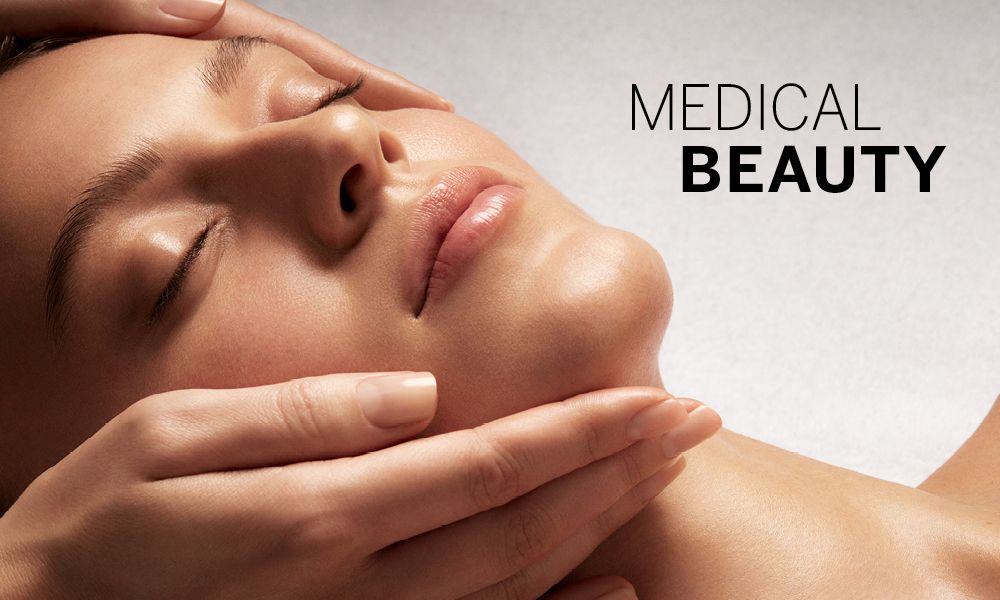
Revolutionizing Beauty: How Medical Beauty is Changing the Aesthetic LandscapeRevolutionizing Beauty: How Medical Beauty is Changing the Aesthetic Landscape

In the modern age, beauty has evolved beyond the traditional world of makeup and skincare products. Today, an increasing number of individuals are turning to medical beauty—a dynamic fusion of science and aesthetics that offers effective, non-surgical solutions for enhancing one's appearance. Combining clinical expertise with advanced technology, medical beauty provides a wide range of non-invasive treatments designed to address skin imperfections, reduce the visible signs of aging, and rejuvenate the body.

This growing sector of the beauty industry is making it easier for people to achieve their desired appearance without the need for traditional, invasive surgery. From Botox to body contouring treatments, medical beauty is proving that looking and feeling your best doesn’t always require going under the knife. In this article, we’ll take a closer look at the world of medical beauty, its increasing popularity, and the most sought-after treatments in this rapidly growing field.

What is Medical Beauty?

At its core, medical beauty refers to a variety of cosmetic treatments that combine medical knowledge with aesthetic enhancement. These treatments typically focus on non-surgical and minimally invasive procedures that provide lasting, noticeable results. Unlike traditional beauty treatments that focus on topical products, medical beauty procedures delve deeper into the layers of the skin, muscles, or fat to provide more substantial and longer-lasting improvements.

The growing appeal of medical beauty lies in the fact that it combines the science of medicine with the art of beauty, all while minimizing the risks and recovery time associated with traditional surgeries. These treatments are often performed by qualified medical professionals, such as dermatologists, cosmetic surgeons, or licensed aestheticians, ensuring that each procedure is safe and effective.

Why Medical Beauty is Gaining Popularity

The popularity of medical beauty can be attributed to several key factors, each contributing to a surge in demand:

1. Quick Results with Minimal Downtime

One of the most attractive aspects of medical beauty is its ability to provide immediate and visible results. Many procedures, such as Botox injections or dermal fillers, deliver noticeable changes almost instantly, with minimal downtime. This is especially appealing for individuals with busy lives who cannot afford the extended recovery periods associated with traditional cosmetic surgeries.

The rapid recovery and effectiveness of these treatments allow people to address their beauty concerns without significant interruption to their daily routines.

2. Subtle, Natural Enhancements

Unlike the drastic transformations often seen with cosmetic surgery, medical beauty focuses on achieving subtle, natural-looking enhancements. Treatments like Botox and dermal fillers are designed to enhance a person’s natural beauty, providing a youthful, refreshed look without altering one’s unique features. This approach is particularly appealing to individuals who want to look younger but don’t want to appear “overdone.”

The goal is often to maintain a natural balance, enhancing features like the jawline, cheeks, or lips while still preserving an individual’s overall appearance.

3. Affordability and Accessibility

Medical beauty treatments offer a more affordable and accessible option for individuals who may not be able to invest in more invasive cosmetic surgery. While the cost of each procedure can vary, non-surgical treatments are typically less expensive than full surgeries. Additionally, with more clinics and medical spas offering these services, medical beauty is becoming available to a broader range of people.

For those seeking non-invasive solutions without the high price tag of surgery, medical beauty offers a cost-effective alternative.

4. Advancements in Technology

As medical technology continues to evolve, new, innovative treatments are continuously emerging in the field of medical beauty. From lasers to injectables, modern treatments utilize cutting-edge equipment to achieve superior results. With these technological advancements, procedures have become more precise, safe, and effective.

Many of these treatments are backed by rigorous scientific research, ensuring that patients receive the best possible outcomes with minimal risk.

Popular Medical Beauty Treatments

Medical beauty encompasses a wide array of procedures, each designed to target specific aesthetic concerns. Below are some of the most popular and sought-after treatments in the industry today:

1. Botox and Other Neuromodulators

Botox is perhaps the most well-known treatment in the world of medical beauty. It works by temporarily relaxing the muscles responsible for creating wrinkles, particularly around the eyes, forehead, and mouth. Botox is commonly used to treat crow’s feet, frown lines, and forehead wrinkles, offering patients a smoother, younger-looking complexion.

Other neuromodulators such as Dysport, Xeomin, and Jeuveau are similar to Botox and work in much the same way, but they may vary in their formulation and longevity. These treatments offer a safe, non-invasive solution for reducing the appearance of fine lines and wrinkles.

2. Dermal Fillers

Dermal fillers are injectable substances used to restore volume and smoothness to areas of the face that have experienced volume loss due to aging. They are most commonly used in the cheeks, lips, under-eye area, and jawline. Fillers can help smooth deep wrinkles, plump thin lips, and add definition to the face.

The most common dermal fillers include hyaluronic acid-based options like Juvederm and Restylane, which are favored for their ability to add natural-looking volume and moisture. The results from dermal fillers are typically visible immediately and can last from six months to two years, depending on the type of filler used.

3. Laser Skin Resurfacing

Laser skin resurfacing is an advanced treatment that uses focused laser beams to improve skin texture, tone, and appearance. It targets issues such as sun damage, fine lines, wrinkles, and scarring. Laser resurfacing works by removing the outer layers of the skin and stimulating collagen production, which results in smoother, firmer skin.

Popular types of laser treatments include CO2 lasers and fractional lasers, which can penetrate the skin at different depths depending on the severity of the skin concern. Patients can expect smoother, healthier skin after a few sessions, with results lasting up to a year or more.

4. Chemical Peels

Chemical peels use a chemical solution to exfoliate the skin, helping to remove dead skin cells and promote new skin growth. This treatment is commonly used to treat acne scars, sun damage, uneven pigmentation, and fine lines. Depending on the strength of the chemical solution, chemical peels can be superficial, medium-depth, or deep.

Superficial peels are ideal for mild skin concerns, while deep peels can be used to address more severe issues like scarring or wrinkles. The healing process for deeper peels may take a bit longer, but the results are often more dramatic.

5. CoolSculpting (Fat Freezing)

CoolSculpting is a non-invasive fat reduction treatment that targets stubborn fat cells by freezing them. The process, known as cryolipolysis, freezes fat cells in areas like the abdomen, flanks, or thighs. These frozen fat cells are then naturally eliminated by the body over a few months.

CoolSculpting is ideal for individuals who have localized fat pockets that don’t respond well to diet or exercise. The treatment is non-invasive, requires no recovery time, and results in a noticeable reduction in fat after several sessions.

6. Microneedling

Microneedling, also called collagen induction therapy, involves using tiny needles to create micro-injuries in the skin. This process stimulates the skin’s natural healing response, promoting collagen and elastin production. As a result, microneedling helps to improve the appearance of fine lines, wrinkles, scarring, and uneven skin texture.

For enhanced results, microneedling is often combined with Platelet-Rich Plasma (PRP), which involves using the patient’s own blood to promote healing and rejuvenation. The combination of microneedling and PRP is often referred to as the Vampire Facial.

The Benefits of Medical Beauty

Medical beauty offers several distinct advantages that make it a popular choice for many:

2. Subtle, Natural Enhancements

0

One of the most significant benefits of medical beauty is its minimized risk and quick recovery time. Non-invasive procedures like Botox and dermal fillers are generally safe, with little to no downtime required. Most individuals can resume their normal activities immediately after treatment.

2. Subtle, Natural Enhancements

1

Many medical beauty treatments, such as dermal fillers and laser resurfacing, provide results that last for several months or even years, making them an effective long-term solution for those seeking to maintain their youthful appearance.

2. Subtle, Natural Enhancements

2

Medical beauty treatments are highly customizable to meet the unique needs of each patient. Practitioners assess the individual’s skin type, concerns, and goals to create a tailored treatment plan that delivers optimal results.

Conclusion

Medical beauty represents a growing trend that blends the latest in medical science with the art of beauty. By offering effective, non-invasive treatments, it provides a way for individuals to enhance their appearance, feel more confident, and address common beauty concerns without the need for surgery. As the demand for these treatments continues to rise, medical beauty is poised to become a lasting and integral part of the 電波拉皮 industry. Whether it’s for anti-aging, body contouring, or skin rejuvenation, medical beauty is changing the way we approach beauty and self-care—one non-invasive treatment at a time.

Necessity Guide To Bodybuilding Supplements For Optimum SeaworthinessNecessity Guide To Bodybuilding Supplements For Optimum Seaworthiness

Bodybuilding supplements are often used by individuals who are looking to enhance their natural science visual aspect and public presentation. They can aid in muscle increase, augmented strength, and quickly retrieval time during and after workouts. These products are filled with crucial ingredients, such as creatin, whey protein, requisite amino acids, and others that can drastically change body composition when conjunctive with effectiveness grooming and a equal diet.

The role of protein-based sarms is predominate in the world of bodybuilding. They are expedient sources of high-quality protein, essential for musculus retrieval and growth. Whey protein is a popular pick because of its promptly absorption rates, high come of ramose-chain amino group acids(BCAAs), and easy digestion. Casein proteins, while digested and unreflected at a slower pace, can be a outstanding option for muscle retrieval during catch some Z’s.

Complementing protein consumption, creatine is another integral add on for bodybuilders. Our bodies naturally make creatine, and it’s also establish in red meat and fish. Its key role is to step-up creatine phosphoric acid stores in muscles, offer additional vim during high-intensity workouts. Studies propose that creatine supplementation can step-up musculus mass, improve potency and great power, and enhance overall mesomorphic public presentation.

Branched-chain amino acids(BCAAs), made up of leucine, isoleucine and valine, are another park aggroup of supplements amongst bodybuilders. These are requisite for the body as it cannot create them, and they play a vital role in muscle increase and retrieval. They can reduce muscle soreness, lessen musculus protein partitioning, and encourage muscle protein synthesis.

Apart from these, certain muscle building supplements advance testosterone levels, causative to enlarged musculus mass and strength. Examples let in D-Aspartic acid, Vitamin D, Tribulus Terrestris, and Fenugreek, among others. However, it’s always world-shaking to talk with a healthcare supplier before adding such supplements to your regimen, as they can bear upon hormone levels and may potentiality side effects.

No discourse of musclebuilding supplements would be nail without discussing the grandness of a equal diet and habitue exercise regime. Supplements alone cannot lead to best musculus increment or enhanced seaworthiness. They should be used to add on an already vocalise diet, complemented by a trained and fitly saturated grooming program. It’s also wise to look up with a certified dietician, dietician, or health care supplier before start any biological process add on regimen.

In conclusion, bodybuilding supplements can bring up a significant edge to your training efforts when used aright and responsibly. They can subscribe faster recovery, enable more intensive training, and atten in gaining musculus mass. However, always prioritise sound eating and fixture exercise above all. While bodybuilding supplements can put up to your goals, they’re there to append rather than replace a well-rounded approach to fitness.